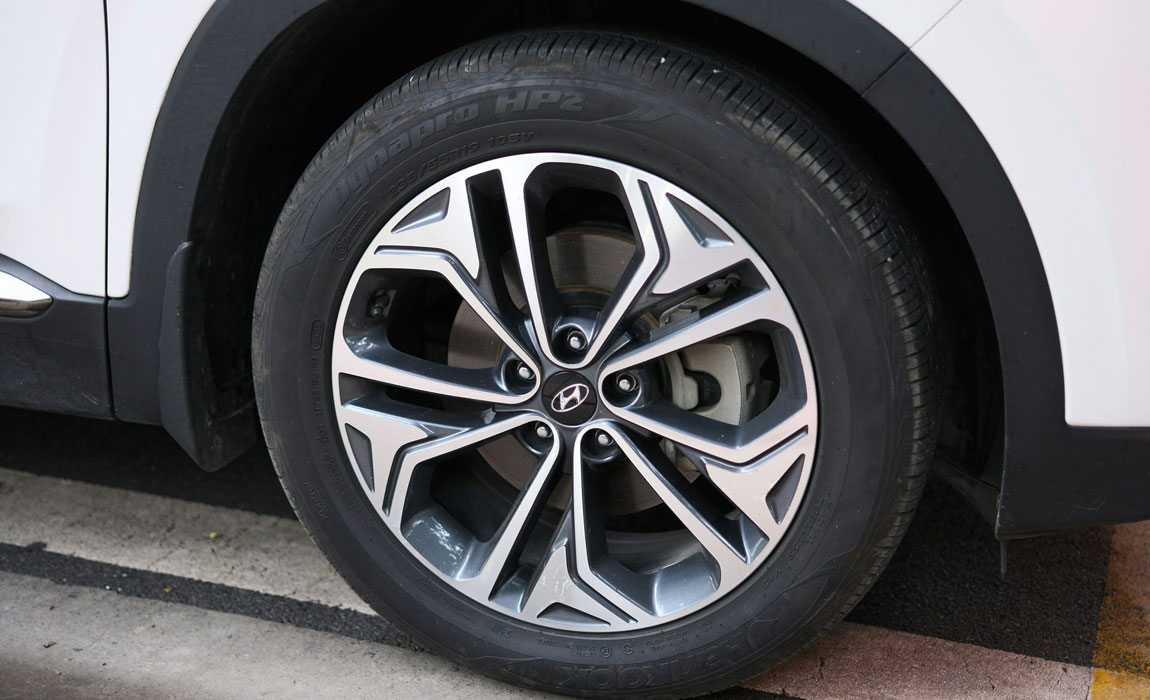
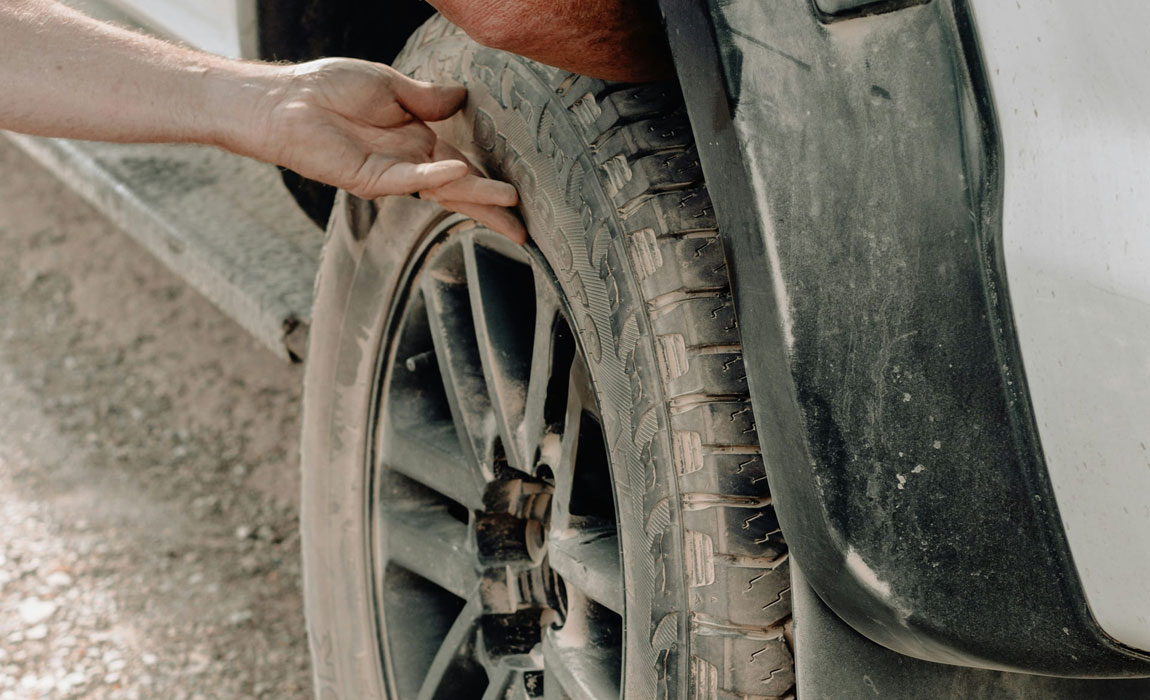
Your tyres are the only thing standing between your car and Bangalore’s notoriously brutal roads. From the crater-sized potholes on Outer Ring Road to the waterlogged stretches near KR Puram during monsoons, your tyres take a beating every single day.
Yet most Bangalore drivers wait way too long to replace their tyres. They ignore the warning signs, push tyres past their safe limit, and end up dealing with blowouts on busy flyovers, hydroplaning during the monsoon, or worse — accidents that could have been completely avoided.
The truth? Your tyres will tell you when they need replacement. You just need to know what to look for.
This guide breaks down the 10 critical warning signs that it’s time to replace your tyres in Bangalore. Some are obvious. Some are subtle. And one — warning sign #7 — is the one that catches almost everyone off guard.
Warning Sign #1: Tread Depth Below 3mm
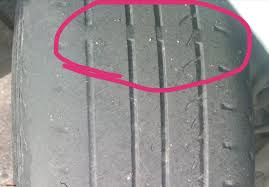
Let’s start with the most important metric: tread depth.
The legal minimum tread depth in India is 1.6mm. But here’s the reality for Bangalore drivers — if you wait until your tyres hit 1.6mm, you’ve already been driving unsafely for weeks, possibly months.
Why 3mm Is the Real Minimum for Bangalore
Bangalore receives heavy rainfall during monsoon months. When tread depth drops below 3mm, your tyres lose their ability to channel water away from the contact patch. This dramatically increases your risk of hydroplaning — that terrifying moment when your car essentially floats on a thin layer of water and you temporarily lose all steering and braking control.
On roads like Hosur Road, ORR near Silk Board, or the underpass at Hebbal during heavy rain, hydroplaning at 60-80 kmph can be catastrophic.
The 20-Paise Coin Test
Don’t have a tread depth gauge? Use a 20-paise coin. Insert it into your tyre’s tread groove with Mahatma Gandhi’s head facing down. If you can see the entire head, your tread depth is below 3mm and it’s time to replace your tyres.
Do this test across multiple points on each tyre — front edge, centre, and rear edge of the tread. Uneven wear patterns tell you different stories about alignment and suspension issues.
What Tyre Torque Does
At Tyre Torque on Kasturi Nagar Main Road, every free tyre inspection includes precise tread depth measurement using professional gauges. The technicians check all four tyres and provide honest recommendations — not scare tactics, just facts about what’s safe and what isn’t.
Warning Sign #2: Visible Tread Wear Indicators
Modern tyres come with built-in tread wear indicators — small raised bars that sit at the bottom of the tread grooves. When the tread wears down to the same level as these indicators, the tyre has reached its minimum safe tread depth.
How to Spot Them
Look into the tread grooves of your tyre. You’ll see small raised bars running perpendicular to the tread direction. There are usually 6-8 indicators evenly spaced around the tyre. When your tread is flush with these bars, you’ve hit the legal wear limit.
If even one section of your tyre shows wear indicators touching the tread surface, the entire tyre needs replacement. You can’t just ignore one section and hope for the best.
The Danger of Ignoring This Sign
Tyres with worn tread don’t just increase stopping distance. They fundamentally change how your car handles. Cornering grip drops. Emergency manoeuvring becomes unpredictable. And during Bangalore’s sudden afternoon thunderstorms, you’re essentially gambling with physics.
Warning Sign #3: Cracks in the Sidewall
Sidewall cracks are often the first sign of tyre aging — and they’re something Bangalore drivers need to watch for carefully, given our climate.
What Causes Sidewall Cracks
The combination of intense UV exposure during Bangalore’s hot afternoons, ozone from pollution, and the constant flexing of the sidewall creates microscopic cracks that gradually grow larger. If your car sits parked in direct sunlight for hours every day, sidewall degradation accelerates.
When Cracks Become Dangerous
Small hairline cracks on the surface might not be immediately dangerous, but deep cracks that expose the underlying cord structure are a serious safety risk. The sidewall provides structural integrity to the entire tyre. When it’s compromised, you’re at risk of sudden tyre failure — particularly dangerous at highway speeds.
Check Regularly
Walk around your car once a month and inspect the sidewalls of all four tyres. Look for:
- Cracks running along the sidewall surface
- Cracks near the rim edge
- Any exposed fabric or cord material
- Discolouration or weathering
If you see deep cracking, don’t wait. Get to Tyre Torque or your nearest trusted tyre shop immediately.
Warning Sign #4: Bulges or Blisters on the Tyre
This is one of the clearest “replace immediately” signals your tyre can give you.
What a Bulge Means
A bulge or blister on your tyre’s sidewall or tread means the internal structure of the tyre has failed. The steel belts or fabric cords that give the tyre its strength have separated or broken, and air pressure is pushing against only the outer rubber layer.
This is usually caused by hitting a pothole at speed, scraping a high curb, or driving over sharp debris. Bangalore’s roads — particularly the stretch between Marathahalli and Whitefield on ORR, or the infamous potholes near Tin Factory — create perfect conditions for this kind of damage.
Why You Can’t Repair a Bulge
Unlike a puncture in the tread area, sidewall damage cannot be repaired. The structural integrity is gone. A bulging tyre can fail catastrophically at any moment, and the risk increases with speed and heat.
If you notice a bulge, drive slowly and carefully to the nearest tyre shop. Don’t take highways. Don’t ignore it for “just one more day.” Replace the tyre immediately.
Warning Sign #5: Vibrations While Driving
Unusual vibrations through the steering wheel or the entire car can indicate multiple tyre-related problems.
Common Causes of Tyre Vibrations
Unbalanced wheels: When one section of the wheel-tyre assembly is heavier than the rest, it creates vibrations that become particularly noticeable at 60-80 kmph. This happens gradually as wheel weights fall off or as tyres wear unevenly.
Out-of-round tyres: Flat spots can develop when a car sits stationary for extended periods or when you lock up the brakes during hard emergency stops. These create a thumping sensation as you drive.
Internal tyre damage: Sometimes hitting a pothole damages the internal structure without creating a visible bulge. The tyre may still hold air, but the damaged area creates vibrations as it rotates.
What to Do
If you start experiencing vibrations that weren’t there before, get your tyres and wheels checked. Tyre Torque’s computerized wheel balancing can diagnose balance issues instantly. If balancing doesn’t solve the problem, it points to tyre damage or suspension issues that need deeper investigation.
Don’t dismiss vibrations as “just a rough road.” They’re your car is telling you something is wrong.
Warning Sign #6: Age Over 5 Years (Regardless of Tread)
Here’s something most Bangalore drivers don’t know: tyres expire based on age, not just tread wear.
The 5-Year Rule
Even if your tyres look perfectly fine with plenty of tread remaining, the rubber compound degrades over time. Heat, UV exposure, ozone, and the natural oxidation of rubber all contribute to this aging process.
Most tyre manufacturers recommend replacement after 5-6 years regardless of remaining tread depth. In Bangalore’s climate — with intense sun, high humidity, and significant temperature swings — tyres can degrade even faster.
How to Check Tyre Age
Every tyre has a DOT code stamped on the sidewall. The last four digits tell you when the tyre was manufactured. For example, “2619” means the 26th week of 2019.
If your tyres are showing “1818” or earlier, they’re over 6 years old and should be replaced regardless of how they look.
Why Age Matters
Old tyres are more prone to sudden blowouts. The rubber hardens and loses elasticity. Small impacts that a newer tyre would absorb can cause aged tyres to fail catastrophically. On Bangalore’s high-speed corridors like ORR or Nice Road, a blowout at 80-100 kmph can be fatal.
Warning Sign #7: Tyres Are Constantly Losing Pressure
This is the warning sign most people ignore — and it’s the one that often indicates serious underlying problems.
When Pressure Loss Is Normal vs. Abnormal
Tyres naturally lose about 1-2 PSI per month due to air permeability through the rubber. If you top up your tyres and they’re fine for several weeks, that’s normal.
But if you’re adding air every week, or if one tyre consistently loses pressure faster than the others, you have a problem that won’t fix itself.
What Constant Pressure Loss Means
Slow puncture: A nail or screw embedded in the tread may be creating a slow leak. Sometimes these are almost invisible from the outside.
Valve stem damage: The rubber valve stem can crack or deteriorate, causing slow air loss. This is especially common in tyres that are 4+ years old.
Bead seal issues: The seal between the tyre and the rim can be compromised by corrosion, dirt, or minor rim damage from hitting curbs and potholes.
Sidewall damage: Microscopic punctures in the sidewall from road debris can cause slow leaks that are difficult to locate.
Why This Is Critical
Driving on under-inflated tyres is one of the fastest ways to destroy them. Under-inflation causes excessive heat buildup, accelerates tread wear, reduces fuel efficiency, and dramatically increases the risk of tyre failure.
If one of your tyres keeps losing pressure despite repairs, it’s telling you the structural integrity is compromised. Don’t keep patching and hoping — replace the tyre.
Pro tip from Tyre Torque: They offer free nitrogen top-ups for all customers, and nitrogen holds pressure better than regular air. But even nitrogen can’t fix a tyre that has fundamental structural issues. If you’re constantly topping up, get a thorough inspection.
Warning Sign #8: Uneven Wear Patterns
How your tyres wear tells a detailed story about your car’s alignment, suspension, and driving habits.
Types of Uneven Wear and What They Mean
Centre wear (tread worn in the middle, edges look fine): Your tyres have been consistently over-inflated. This is common among drivers who believe higher pressure improves fuel economy without understanding the trade-offs.
Edge wear (outer edges worn, centre looks fine): Under-inflation. The tyre’s contact patch spreads outward, putting excessive load on the edges.
One-side wear (inside or outside edge significantly more worn): Wheel alignment is off. This is extremely common in Bangalore given how frequently we hit potholes that knock alignment out of spec.
Cupping or scalloping (dips and high spots around the tread): Suspension problems, usually worn shock absorbers that allow the tyre to bounce excessively.
Feathering (tread ribs worn smooth on one side): Toe alignment issue, often combined with other suspension problems.
What to Do
Take photos of your tyre wear patterns and show them to experienced technicians. At Tyre Torque, they use these patterns as diagnostic clues. They won’t just sell you new tyres — they’ll identify why the wear happened and fix the underlying issue so your new tyres don’t suffer the same fate.
If you replace tyres without fixing alignment or suspension problems, you’ll be back replacing them again in 15,000-20,000 km instead of the expected 40,000-60,000 km.
Warning Sign #9: Exposed Cords or Fabric
If you can see steel cords, fabric, or any material other than rubber on your tyre’s surface, stop driving immediately.
What This Means
Exposed cords mean the tyre has worn completely through the rubber layer designed to protect the internal structure. You’re essentially driving on the skeleton of the tyre with no protection.
This can happen due to:
- Extreme tread wear that went unnoticed
- Sidewall damage from curbs or road debris
- Manufacturing defects (rare but possible)
The Immediate Danger
An exposed cord tyre can fail at any moment. The exposed steel oxidises rapidly. Water gets into the tyre structure. And because there’s no rubber buffer, even small road impacts can cause catastrophic failure.
If you notice exposed cords, don’t drive to a tyre shop across town. Call for roadside assistance or drive extremely slowly (under 30 kmph) to the nearest workshop. Tyre Torque offers puncture assistance within a 2km radius for exactly these emergencies.
Warning Sign #10: Frequent Punctures in the Same Tyre
Getting two or three punctures in the same tyre over a short period isn’t bad luck — it’s a sign the tyre’s structural integrity is compromised.
Why This Happens
Weakened tread compound: Old tyres or tyres that have been driven significantly under-inflated develop weakened areas that are more susceptible to punctures.
Previous repair damage: If a puncture was repaired incorrectly, it can weaken the surrounding area and make it more vulnerable to additional punctures.
Sidewall flexing issues: Tyres with sidewall damage flex abnormally, which can stress the tread area and make it more prone to penetration by sharp objects.
When to Replace vs. Repair
The general rule: if a tyre has had more than 3 puncture repairs, or if repairs are clustered close together, replacement is the safer choice. The tyre has lost structural integrity, and continuing to repair it is just delaying the inevitable.
Tyre Torque uses mushroom puncture repair — the most durable method available — but even they’ll tell you when a tyre has reached the end of its life and needs replacement rather than another repair.
How Bangalore’s Roads Accelerate Tyre Wear
Understanding local conditions helps you anticipate when replacement will be necessary.
Pothole Impact
Bangalore’s potholes don’t just damage tyres — they damage the entire suspension and alignment system. Every hard impact:
- Can cause internal tyre damage that doesn’t show up immediately
- Knocks wheel alignment out of spec, causing uneven wear
- Damages shock absorbers, which leads to cupping and irregular wear
Monsoon Challenges
Waterlogged roads hide pothole depth. What looks like a shallow puddle can be a 6-inch deep crater. The repeated shock loading during monsoon months accelerates tyre degradation significantly.
Stop-and-Go Traffic
Bangalore’s infamous traffic means constant acceleration and braking. This creates heat buildup in tyres and wears tread faster than highway driving at constant speed.
Drivers who primarily do city commuting in heavy traffic (Silk Board, KR Puram, Marathahalli during peak hours) will need tyre replacement sooner than those who do mostly highway driving.
What to Do When You Notice Warning Signs
Step 1: Get a Professional Inspection
Don’t self-diagnose and assume. Drive to a trusted workshop like Tyre Torque and get a thorough tyre inspection. Their technicians will check:
- Tread depth across all tyres
- Sidewall condition
- Uneven wear patterns
- Wheel alignment and balance
- Suspension components
Step 2: Understand Your Options
Not every warning sign means immediate replacement. Some can be addressed through:
- Wheel alignment correction
- Tyre rotation to even out wear
- Proper inflation adjustment
- Puncture repair (when appropriate)
But be honest about the tyre’s condition. If it’s borderline, err on the side of replacement. The cost difference between a new tyre and a catastrophic failure isn’t even comparable.
Step 3: Replace in Pairs (Minimum)
If one tyre needs replacement, seriously consider replacing both tyres on the same axle. Mismatched tread depths can affect handling and stability, particularly during emergency manoeuvres or on wet roads.
For AWD and 4WD vehicles, tyre shops often recommend replacing all four tyres simultaneously to avoid drivetrain stress from diameter differences.
Step 4: Choose the Right Replacement
Not all tyres are created equal. Bangalore roads require specific characteristics:
- Strong sidewalls to resist pothole damage
- Excellent wet grip for monsoon safety
- Durable tread compounds that resist rapid wear
Tyre Torque stocks over 20 brands precisely because different cars and driving patterns need different tyre solutions. A Maruti Swift doing only city driving has different needs than a Mahindra XUV700 that does weekend highway trips.
The Real Cost of Delaying Tyre Replacement
Financial Cost
Driving on worn tyres:
- Increases fuel consumption by up to 15%
- Damages suspension components that are expensive to replace
- Creates the risk of emergency repairs at inconvenient times and places
A set of quality tyres costs ₹15,000-₹35,000 depending on your vehicle. Emergency suspension repairs after a blowout can easily cost ₹25,000-₹50,000. It’s not just about the tyre — it’s about protecting your entire vehicle.
Safety Cost
According to road safety data, tyre-related failures contribute to approximately 30% of road accidents in India. In Bangalore’s high-speed traffic corridors and during monsoon conditions, worn tyres dramatically increase your risk.
The question isn’t whether you can afford new tyres. It’s whether you can afford not to replace them.
Why Tyre Torque for Your Replacement Needs
When it’s time to replace your tyres in Bangalore, you need a workshop that:
- Stocks genuine tyres from all major brands
- Has modern equipment for proper installation
- Provides honest diagnosis without unnecessary upselling
- Backs their work with proper warranties
Tyre Torque on Kasturi Nagar Main Road (near CMR College, next to Nayara Petrol Station) checks all these boxes.
Multi-brand selection: Michelin, Bridgestone, Continental, Pirelli, Yokohama, Apollo, Goodyear, Ceat, JK Tyres, and more. You get options across every price point.
Expert consultation: The technicians don’t just sell tyres — they diagnose why your current tyres wore out and recommend solutions to extend the life of your next set.
Complete service: Tyre replacement includes proper mounting, computerized balancing, nitrogen inflation, and wheel alignment check — everything needed for optimal performance.
Free value-adds: Free nitrogen top-ups for the life of the tyres, free periodic inspections, and puncture assistance within 2km of the shop.
Call +91-72041-01993 or visit them at Kasturi Nagar to get your tyres inspected and replaced if needed.
Final Thoughts: Don’t Gamble with Worn Tyres
Your tyres are the only part of your 1,500 kg vehicle that actually touches the road. The contact patch — the area where rubber meets asphalt — is roughly the size of your palm for each tyre. That’s it. Four palm-sized patches of rubber keeping you safe at 80 kmph on Bangalore’s challenging roads.
When those tyres are worn, damaged, or aged beyond safe limits, you’re gambling every time you drive. The odds might seem in your favour — after all, you’ve been driving on those tyres for months without incident. But all it takes is one emergency stop during monsoon rain, one high-speed swerve to avoid a pothole, one moment where your tyres can’t deliver the grip you need — and the gamble ends badly.
Watch for these 10 warning signs. Take them seriously. Get regular inspections. And when it’s time to replace your tyres, don’t delay.
Your family rides on those tyres. Your daily commute depends on them. Your safety is non-negotiable.
Replace your tyres when they need it — not when they fail on you.
Need a tyre inspection? Visit Tyre Torque at Kasturi Nagar Main Road, Bangalore or call +91-72041-01993. Free tyre inspection, expert diagnosis, and honest recommendations.