You Filled Air 3 Times—The Light is STILL On
It’s Monday morning. You’re driving your Hyundai Creta to Marathahalli. That annoying orange tyre pressure warning light glows on your dashboard. Again.
You stopped at a petrol pump on Saturday. Filled air. Light went off… for 20 minutes. Then it came back on.
Sunday, you tried again. Different petrol pump. Same result. Light off briefly, then back on within an hour.
This morning, you checked all four tyres at home. Every single one shows 32 PSI—exactly what the door sticker says. Yet the light refuses to turn off.
You’re frustrated. You’ve wasted ₹60 on air filling. You’re worried something’s seriously wrong. And you’re wondering: “Is it safe to just ignore it?”
Here’s the truth: That persistent TPMS (Tyre Pressure Monitoring System) light isn’t just annoying—it’s trying to tell you something. But what it’s telling you might NOT be “your tyres are low.”
This complete guide reveals why your TPMS light stays on despite correct pressure, the 7 actual causes (hint: low pressure is only ONE of them), and exact fix steps for every Bangalore car with this problem.
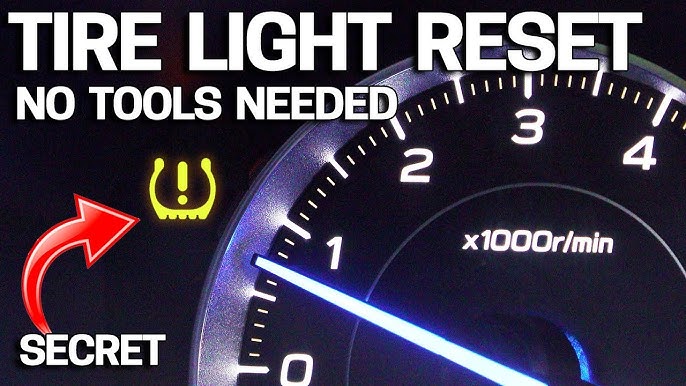
What is TPMS? (And Why Your Car Has It)
TPMS = Tyre Pressure Monitoring System
What It Does: Constantly monitors air pressure in all four tyres (some systems include the spare). If pressure drops 25% below the recommended level, the warning light illuminates.
Why Modern Cars Have It:
- Safety: Under-inflated tyres cause 660+ accidents annually in India
- Fuel Economy: Low pressure reduces mileage by 3-5%
- Tyre Life: Prevents premature wear (saves ₹12,000-15,000)
- Regulation: Mandatory on most new cars sold in India since 2022
Bangalore Cars with TPMS:
- All cars manufactured 2022 onwards (most models)
- Popular models: Hyundai Creta, Seltos, Venue, XUV700, Tata Nexon, Harrier, Maruti Brezza, Honda City, etc.
- Luxury cars: All BMW, Mercedes, Audi models (even older)
The 2 Types of TPMS (This Matters for Your Fix)
Type 1: Direct TPMS (Sensor-Based)
How It Works:
- Physical sensor inside each tyre (attached to valve stem)
- Sensor measures actual pressure and temperature
- Transmits radio signal to car’s computer
- Most accurate system
Found In:
- Premium cars (BMW, Mercedes, Audi)
- Newer Hyundai models (Creta 2023+, Venue, Alcazar)
- Kia (Seltos, Sonet, Carens)
- Tata (Nexon, Harrier top variants)
- MG Hector, Astor
How to Identify:
- Valve stems are metal (not rubber)
- Tyre shops charge ₹500-800 extra for “sensor programming” during tyre change
- Your car’s manual mentions “TPMS sensor battery”
Type 2: Indirect TPMS (ABS-Based)
How It Works:
- No physical sensors in tyres
- Uses existing ABS wheel speed sensors
- Detects pressure loss by measuring wheel rotation speed
- Logic: Under-inflated tyre is smaller → rotates faster
- Less accurate than Direct TPMS
Found In:
- Maruti Suzuki models (Brezza, Grand Vitara)
- Toyota (Fortuner, Innova Crysta)
- Honda (City, Amaze older models)
- Some Volkswagen models
How to Identify:
- Regular rubber valve stems
- No extra charge for tyre changes
- Owner’s manual mentions “reset button” or “TPMS calibration”
Why Your TPMS Light Stays On: The 7 Real Causes
Cause #1: Temperature Change (Bangalore’s 20°C Daily Swing)
The Problem: You filled tyres on Saturday morning at 22°C (perfect 32 PSI). By afternoon at 38°C, pressure rose to 36 PSI. System recalibrated to new “normal.” Sunday morning at 20°C, pressure dropped to 30 PSI—now 2 PSI below system’s expected level. Light comes on.
Why This Happens in Bangalore:
- Morning: 18-22°C
- Afternoon: 35-38°C
- Daily swing: 16-20°C
- Pressure change: 1.5 PSI per 10°C = 3-4 PSI daily variation
The Physics: Every 10°C temperature change = approximately 1.5 PSI pressure change Bangalore’s 20°C daily swing = 3 PSI variation
How to Know This is Your Issue:
- Light comes on in early morning
- Light goes off after 10-15 minutes of driving (tyres warm up)
- Happens more in winter (December-January) when mornings are coldest
The Fix: Not a malfunction—it’s working correctly! Adjust pressure for Bangalore’s temperature swings:
- Fill tyres at coldest expected temperature (early morning)
- Add 1-2 PSI above door sticker recommendation
- Example: Door says 32 PSI → Set to 33-34 PSI when cold
Cost: ₹0 (just adjust filling time/amount)
Cause #2: Sensor Battery Dead (Direct TPMS Only)
The Problem: TPMS sensors have batteries (lithium, non-replaceable). Battery life: 5-7 years. When battery dies, sensor stops transmitting. System thinks sensor failed → warning light stays on.
Bangalore-Specific Factor: Heat accelerates battery drain. Bangalore’s 38°C summers reduce battery life by 15-20% vs cooler climates.
How to Know:
- Light stays on constantly (doesn’t turn off even after driving)
- Only affects older cars (2017-2020 models in 2026)
- Happened after tyre change (old sensor battery finally gave up)
- Error message on dashboard: “TPMS Malfunction” or “Check Tyre Pressure System”
Which Sensor is Dead: You can’t tell without a diagnostic tool. Tyre shop needs TPMS scanner (₹15,000-25,000 equipment) to identify which sensor.
The Fix: Replace the dead sensor(s)
Cost:
- Single sensor: ₹2,500-4,500 (varies by car brand)
- BMW/Mercedes: ₹5,000-8,000 per sensor
- Hyundai/Kia: ₹2,500-3,500 per sensor
- Programming fee: ₹500-800
Prevention:
- Replace all 4 sensors together when first one fails (others will fail soon)
- Usually needed at 6-8 year mark
- Consider it when buying used cars (check manufacture year + 6 years)
Cause #3: System Not Reset After Filling Air
The Problem: Many TPMS systems (especially Indirect type) need a manual reset after you adjust pressure. Filling air alone doesn’t automatically clear the light.
Why: The system “learned” your old pressure as a baseline. You filled air, but the system still thinks the tyres are at old (low) pressure. It needs you to tell it: “This is the new correct pressure.”
Cars That Need Manual Reset:
- Most Toyota models (Fortuner, Innova)
- Maruti Suzuki (Brezza, Grand Vitara)
- Honda older models
- Some Volkswagen models
How to Know:
- Light stays on even though all pressures are correct
- No “TPMS Malfunction” message (just pressure warning)
- Your owner’s manual has “TPMS Reset” instructions
The Fix: Reset the system (see detailed steps in next section)
Cost: ₹0 (DIY) or ₹200-500 at shop
Cause #4: Slow Puncture You Haven’t Found
The Problem: You checked front-left, front-right, rear-left, rear-right. All 32 PSI. But you forgot the spare tyre—and some TPMS systems monitor it too!
Or: One tyre has a slow leak. By the time you reach the petrol pump (5km drive), it lost 2 PSI. You fill it to 32 PSI. You drive home (another 5km). It loses another 2 PSI. System detects 30 PSI → light stays on.
How to Know:
- One tyre is consistently lower than others (check twice daily)
- The light comes on after 20-30 minutes of driving
- You hear slight hissing near valve or tread
- Soapy water spray shows bubbles (leak location)
The Fix:
- Find and repair the puncture (mushroom repair, not quick plug)
- Check spare tyre pressure (often forgotten!)
- Inspect valve stems for leaks
Cost:
- Mushroom puncture repair: ₹300-400
- Valve stem replacement: ₹40-80 per valve
- Spare tyre fill: Usually free at petrol pumps
Cause #5: Wrong Pressure (You’re Using Door Sticker Wrong)
The Problem: Door sticker shows different pressures for different load conditions:
- Front: 32 PSI / 35 PSI
- Rear: 32 PSI / 38 PSI
Most people just fill everything to 32 PSI. But if you recently took a Bangalore-Coorg trip with 5 passengers + luggage, your TPMS learned the 35/38 PSI as “correct.” Now at 32 PSI, it thinks tyres are low.
Bangalore-Specific:
- Weekend trips: Bangalore-Nandi Hills, Coorg, Ooty (fully loaded)
- Increased pressure for load: Rear 35-38 PSI
- Return home, pressure drops as tyres cool
- TPMS expects high pressure, finds lower → light on
How to Know:
- Light came on after weekend trip
- You recently changed from “loaded” to “empty” driving
- Rear tyre pressure significantly lower than front
The Fix:
- Reset TPMS after changing load conditions
- OR: Maintain consistent pressure (slightly higher for mixed use)
- Door sticker example: If it says 32 PSI normal / 35 PSI loaded → use 33-34 PSI all the time
Cost: ₹0 (just adjust strategy)
Cause #6: Sensor Damaged During Tyre Change
The Problem: You just got new tyres. Shop removed old tyres, installed new ones. TPMS sensor got:
- Physically damaged (cracked during removal)
- Not re-programmed correctly
- Installed in the wrong position (front sensor on rear wheel)
- Valve core loosened (slow leak)
Why This Happens:
- Inexperienced technician (doesn’t understand TPMS)
- Shop rushes the job (careless handling)
- Old sensors are brittle from age (break during removal)
- No TPMS programming tool (can’t reset system)
How to Know:
- Light came on immediately after tyre change
- Wasn’t on before tyre change
- Shop said “light will go off after driving 20km” but it didn’t
- Shop said “just ignore it” (red flag!)
The Fix:
- Return to shop immediately (same day)
- Demand they check sensor condition
- If damaged: Shop should replace at their cost (their fault)
- Require TPMS reset/programming
Cost:
- Should be FREE (shop’s responsibility)
- If they refuse: ₹2,500-4,500 per damaged sensor
- Better to use a quality shop (TyreTorque has TPMS expertise)
Cause #7: Electrical Fault (Rare But Serious)
The Problem:
- TPMS module (car’s computer) malfunction
- Wiring issue (corrosion, loose connection)
- Antenna not receiving sensor signals
- Software glitch
How to Know:
- “TPMS Malfunction” or “System Fault” message (not just pressure warning)
- Light blinks for 60 seconds, then stays solid
- Multiple warning lights (ABS + TPMS together)
- Happened after car accident, water damage, or electrical work
The Fix: Requires professional diagnosis at authorized service center
Cost:
- Diagnosis: ₹500-1,500
- Module replacement: ₹8,000-25,000 (varies by brand)
- Wiring repair: ₹2,000-5,000
How to Reset TPMS: Step-by-Step for Every Car
Method 1: Using Reset Button (Indirect TPMS – Toyota, Maruti, Honda)
Step 1: Ensure All Tyres at the correct pressure
- Check all 4 tyres when COLD (morning, before driving)
- Fill to the exact door sticker specification
- Don’t forget a spare tyre if your car monitors it
Step 2: Locate TPMS Reset Button. Common locations:
- Below steering wheel (left side dashboard panel)
- Inside glove box
- Near driver’s door jamb
- Center console
Can’t find it? Check owner’s manual page index for “TPMS reset”
Step 3: Turn Ignition to “ON” Position
- Don’t start engine
- Just turn key to ON (or press Start button twice without brake pedal)
- All dashboard lights should illuminate
Step 4: Press and Hold Reset Button
- Hold for 3-5 seconds (until you hear beep or see confirmation)
- TPMS light should blink 3 times
- Release button
Step 5: Drive the Car
- Drive for 10-20 minutes at speeds above 40 kmph
- System re-learns tyre pressures
- Light should turn off during or after drive
If Light Doesn’t Turn Off:
- Re-check all tyre pressures (one might be incorrect)
- Try reset process again
- If still on: Different issue (sensor battery, puncture, etc.)
Method 2: Using Infotainment System (Newer Hyundai, Kia, MG)
Step 1: Navigate to TPMS Menu
- Press “Setup” or “Settings” on the touchscreen
- Look for “Vehicle Settings” or “Driver Assistance”
- Find “TPMS” or “Tyre Pressure”
Step 2: Select “TPMS Reset” or “Calibrate”
- Option might say “Initialise,” “Recalibrate,” or “Learn”
- Confirm when prompted
Step 3: Drive to Complete Reset
- System displays “Drive to complete calibration”
- Drive 10-15 minutes at varying speeds
- Light turns off when complete
Model-Specific Examples:
Hyundai Creta (2023+):
- Settings → Vehicle Settings → TPMS
- “Tyre Pressure Reset”
- Drive 10 minutes
Kia Seltos:
- User Settings → Convenience → TPMS
- “Initialise TPMS”
- Confirm and drive
MG Hector/Astor:
- Settings → ADAS → TPMS
- “Calibrate”
- Drive to complete
Method 3: Professional Reset (Direct TPMS – BMW, Mercedes, Audi)
Why Professional Needed:
- Requires TPMS programming tool (₹15,000-25,000 equipment)
- Each sensor has unique ID that must be programmed to car
- Can’t DIY without specialized equipment
What Technician Does:
- Connects TPMS scanner to car (OBD port)
- Activates each sensor (wakes it up)
- Reads sensor IDs
- Programs car’s computer with correct sensor positions
- Clears error codes
- Verifies system working
Where to Get It Done:
- Authorized dealer (BMW, Mercedes, Audi service)
- Specialized tyre shops with TPMS tools (TyreTorque has equipment)
- Auto electrical shops with diagnostic capability
Cost:
- Authorized dealer: ₹800-1,500
- Independent shop: ₹500-800
- At TyreTorque: ₹500 (FREE if you got tyres installed there)
Bangalore-Specific TPMS Issues & Solutions
Issue #1: False Alerts from Temperature Swings
The Problem:
- Morning fill (22°C, 32 PSI) → perfect
- Afternoon (38°C) → pressure 35-36 PSI → system recalibrates
- Next morning (20°C) → pressure 31 PSI → light comes on (below recalibrated level)
Solution: Fill tyres in early morning (6-7 AM when coldest) at 33-34 PSI (slightly higher than door spec). This accounts for daily temperature variation.
Issue #2: ORR High-Speed Heating
The Problem:
- You fill tyres at home/petrol pump (stationary, cool tyres)
- Drive on ORR at 100 kmph for 30 minutes
- Tyre temperature rises from 25°C to 65-70°C
- Pressure increases 5-6 PSI
- Some TPMS systems flag this as over-inflation
Solution: Modern TPMS accounts for temperature, but older systems (pre-2020) might trigger. If light comes on during highway driving but off when cool, it’s normal. No action needed.
Issue #3: Nitrogen-Filled Tyres
The Problem:
- Your tyres have nitrogen (more stable pressure)
- TPMS was calibrated with regular air
- Nitrogen behaves slightly differently (less pressure change with temperature)
- The system gets confused by unexpected stability
Solution: After converting to nitrogen, drive 50-100 km so TPMS learns the new “normal” behavior. Reset TPMS if needed.
Issue #4: Seasonal Changes (Winter/Summer)
The Problem:
- December-January: Morning temps 15-18°C (colder than rest of year)
- TPMS calibrated during normal season
- Winter mornings: Pressure drops 2-3 PSI extra
- Light comes on every winter morning
Solution:
- Increase pressure by 2 PSI during winter months (December-February)
- Reset TPMS to learn winter baseline
- Reduce back to normal March onwards
When to Worry (And When to Ignore)
Safe to Drive (Ignore Light Temporarily):
✅ Light comes on only in cold mornings, turns off after driving ✅ Just had tyres filled, light will reset after driving ✅ All pressures verified correct, just need TPMS reset ✅ Light came on during ORR high-speed, off when cool
Action: Reset TPMS when convenient, continue driving normally
Fix Within 24 Hours:
⚠️ Light stays on constantly despite correct pressure ⚠️ One tyre consistently 2-3 PSI lower than others ⚠️ Light came on after tyre change ⚠️ You hear hissing sound near valve
Action: Visit TyreTorque for inspection within 1 day
Fix IMMEDIATELY (Pull Over):
🚫 “TPMS Malfunction” + pressure dropping rapidly 🚫 Tyre visibly low or flat 🚫 Steering feels different/heavy 🚫 Vibration or thumping sound
Action: Stop safely, check tyres, call for help if needed
DIY vs Professional: Decision Guide
DIY Reset Appropriate When:
- You have Indirect TPMS (reset button exists)
- All pressures are definitely correct
- No “System Malfunction” message
- Owner’s manual has clear reset instructions
- Light came on due to temperature/seasonal change
Tools Needed: None (just owner’s manual) Time: 5 minutes + 10-minute drive Cost: ₹0
Professional Service Needed When:
- Direct TPMS system (sensor-based)
- “TPMS Malfunction” or “System Fault” message
- Light persists after DIY reset attempts
- After tyre change/rotation
- After tyre repair (sensor might be damaged)
- Can’t find the reset button or unclear process
- Suspect the sensor battery is dead
Tools Needed: TPMS scanner, diagnostic computer Time: 20-30 minutes Cost: ₹500-800
Common TPMS Mistakes to Avoid
Mistake #1: Ignoring the Light
The Problem: “It’s just a sensor issue, tyres are fine, I’ll ignore it.”
Why It’s Dangerous:
- You won’t know when you have ACTUAL low pressure
- Might drive on dangerously low tyres (causes blowout)
- Negates the entire safety purpose of TPMS
- Can fail vehicle inspection
Correct Action: Fix the underlying issue so TPMS works properly
Mistake #2: Disabling TPMS
The Problem: Some people tape over the warning light or ask technicians to “disable the system.”
Why It’s Dangerous:
- Illegal in many regions
- Voids warranty on some cars
- Removes important safety feature
- Future buyer will discover it (reduces resale value)
Correct Action: Repair the issue properly
Mistake #3: Using Petrol Pump Pressure Gauges
The Problem: Petrol pump air compressors have notoriously inaccurate gauges (±3-5 PSI error common).
Why It Causes Issues:
- You think you filled to 32 PSI (gauge shows 32)
- Actually at 29 PSI (gauge is off by 3)
- TPMS detects low pressure → light stays on
- You keep filling, problem persists
Correct Action: Buy your own digital pressure gauge (₹500-800). Check pressure yourself before/after filling.
Mistake #4: Checking Pressure After Driving
The Problem:
- You drive to petrol pump (10km)
- Tyres are now hot (temperature +20°C higher)
- Pressure shows 35 PSI (hot)
- Correct cold pressure is 32 PSI
- You reduce to 32 PSI thinking you’re helping
- Next morning: Cold tyres at 29 PSI → dangerously low
Correct Action: Check pressure when tyres are COLD (before driving, or 3+ hours after driving)
TyreTorque TPMS Services
TPMS Diagnostic & Reset – ₹500
What We Do: ✅ Scan all 4 sensors with a professional TPMS tool ✅ Identify which sensor has issues (if any) ✅ Check sensor battery status ✅ Verify all pressures with a calibrated gauge ✅ Reset TPMS system properly ✅ Test drive to verify light off ✅ Explain issue and prevention
Time: 20-30 minutes Warranty: 30 days (if light returns, recheck FREE)
TPMS Sensor Replacement
When Needed:
- Sensor battery dead (6-8 year old sensors)
- Sensor physically damaged
- Sensor malfunction confirmed
Pricing:
- Hyundai/Kia sensors: ₹2,500-3,500 per sensor
- Maruti/Toyota sensors: ₹2,000-3,000 per sensor
- Premium brand sensors: ₹4,000-6,000 per sensor
- Programming included: FREE
Recommendation: If one sensor fails due to age, replace all 4 (others will fail soon, same battery age)
Package Deal: All 4 sensors + programming: ₹9,500-12,000 (saves ₹2,000 vs individual)
FREE TPMS Check (With Any Service)
Included FREE With:
- Tyre installation
- Wheel alignment
- Tyre rotation
- Puncture repair
What We Check:
- TPMS light status
- Quick sensor scan
- Pressure verification
- Reset if needed (no charge)
Emergency TPMS Light Protocol
If TPMS Light Comes On While Driving:
Step 1: Don’t Panic (30 seconds)
- Light coming on doesn’t mean immediate danger
- You have time to assess situation
- Don’t slam brakes or swerve
Step 2: Reduce Speed (next 1 minute)
- Slow to 60-70 kmph
- Move to left lane when safe
- Turn on hazard lights if needed
Step 3: Assess the Situation
- Does car feel different? (pulling, vibrating, heavy steering)
- Any unusual sounds? (thumping, flapping)
- Multiple warning lights on?
Step 4: Decision Point
If Car Feels Normal:
- Continue driving carefully
- Reduce speed slightly (10-20% slower)
- Find safe place to stop and check (petrol pump, parking lot)
- Check all 4 tyre pressures
If Car Feels Wrong:
- Pull over IMMEDIATELY at safest spot
- Turn off engine
- Inspect all 4 tyres visually
- Call for assistance if tyre is flat/damaged
Step 5: After Stopping
- Check pressures with your gauge (or petrol pump)
- Look for visible damage, punctures
- Fill air if needed
- If all pressures correct → probably sensor issue, safe to drive
- If one tyre is low → repair needed, don’t drive far
Prevent Future TPMS Issues
Weekly Routine:
□ Visual tyre inspection (look for obvious low pressure) □ Mental note if TPMS light behaviour changes
Monthly Routine:
□ Check all 4 tyre pressures with your own gauge □ Adjust for seasonal temperature changes □ Note which tyres lose pressure faster (indicates slow leak)
Seasonal Routine:
□ Winter (Dec-Feb): Increase pressure 2 PSI □ Summer (Apr-May): Reduce pressure 1-2 PSI □ Reset TPMS after seasonal adjustment
Annual Routine:
□ Professional TPMS health check □ Sensor battery status check (if car is 5+ years old) □ Plan sensor replacement if car approaching 7-8 years
Get Your TPMS Issue Fixed Today
📍 Visit TyreTorque: Kasturi Nagar Main Road, Near CMR College
Next to Nayara Petrol Station
Chikka Banaswadi, Bangalore – 560043
📞 Call/WhatsApp: +91-72041-01993
⏰ Hours: Monday-Sunday, 8:00 AM – 8:00 PM
Walk-In Service:
- No appointment needed for the TPMS diagnostic
- Average wait: 15-20 minutes
- Service time: 20-30 minutes
- Drive away with light OFF
Why Choose TyreTorque for TPMS: ✅ Professional TPMS scanner (₹20,000 equipment) ✅ All sensor brands available (same-day replacement) ✅ Experienced with all car brands ✅ Honest diagnosis (won’t upsell unnecessary sensors) ✅ 30-day warranty on reset service ✅ FREE recheck if light returns
Stop Living with That Orange Light
That TPMS light isn’t just annoying—it’s your car’s safety system trying to help you.
Ignoring it means:
- You won’t know when you have actual low pressure
- The risk of tyre failure increases
- Fuel economy decreases
- Tyre life reduces
- Stress every time you see it
Fixing it properly means:
- Peace of mind
- Working safety system
- Better fuel economy
- Longer tyre life
- One less thing to worry about
Don’t let a ₹500 fix turn into a ₹12,000 tyre replacement.
Call TyreTorque: +91-72041-01993
Get your TPMS working properly. Drive with confidence.