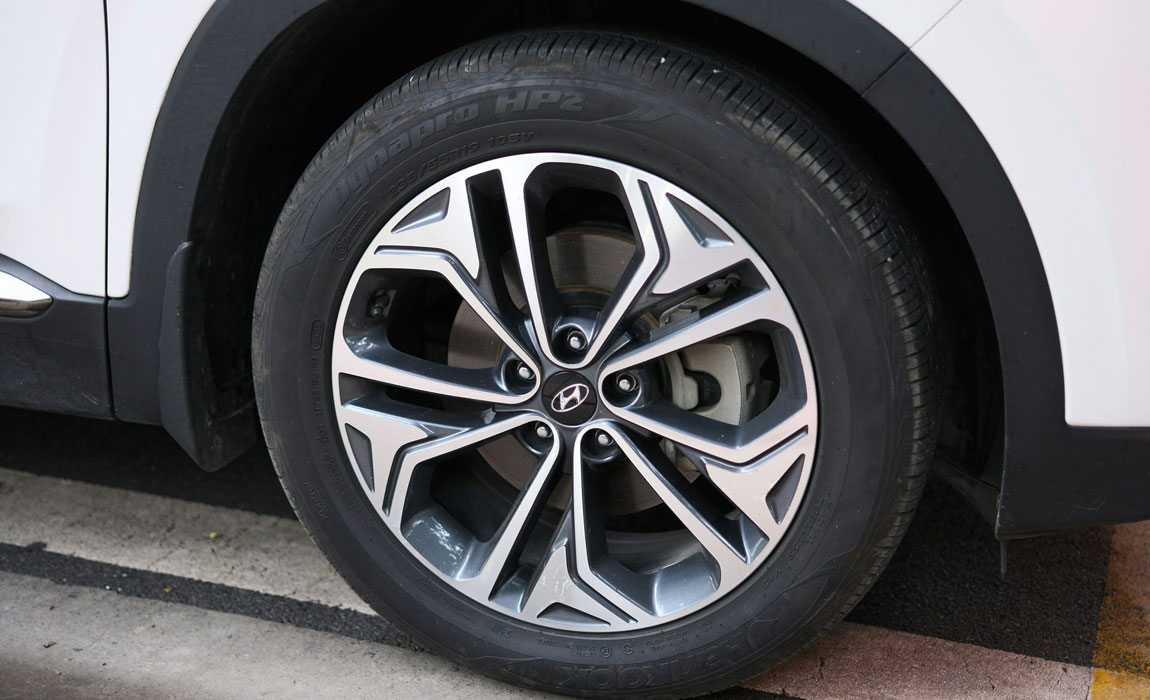
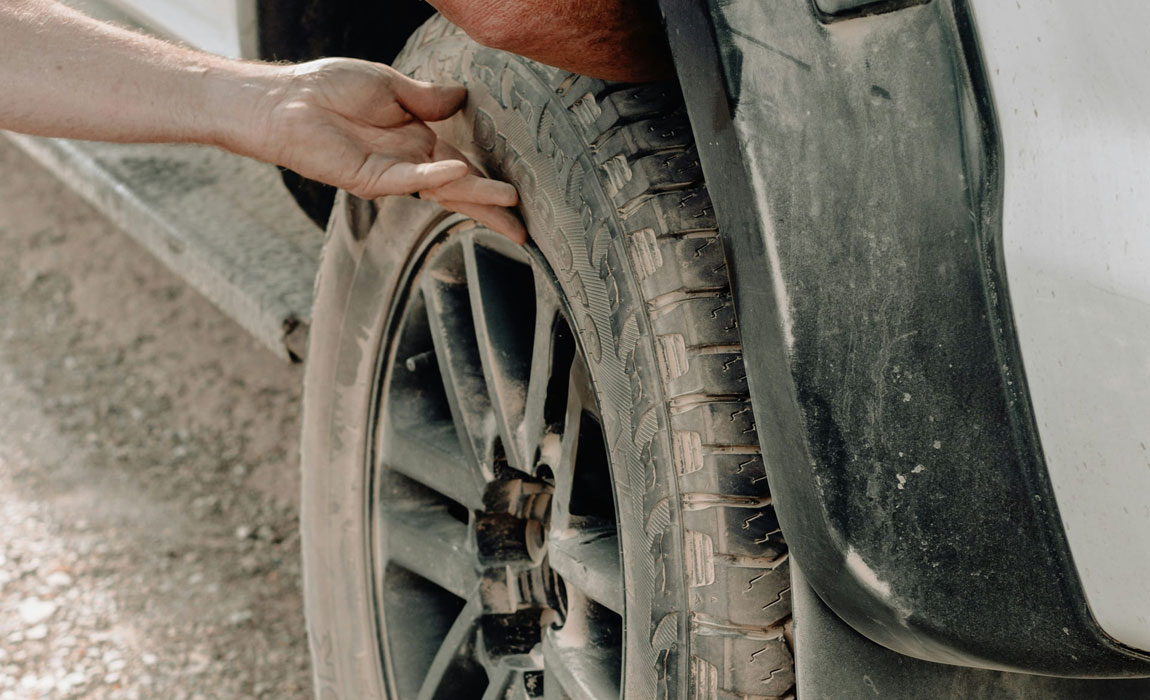
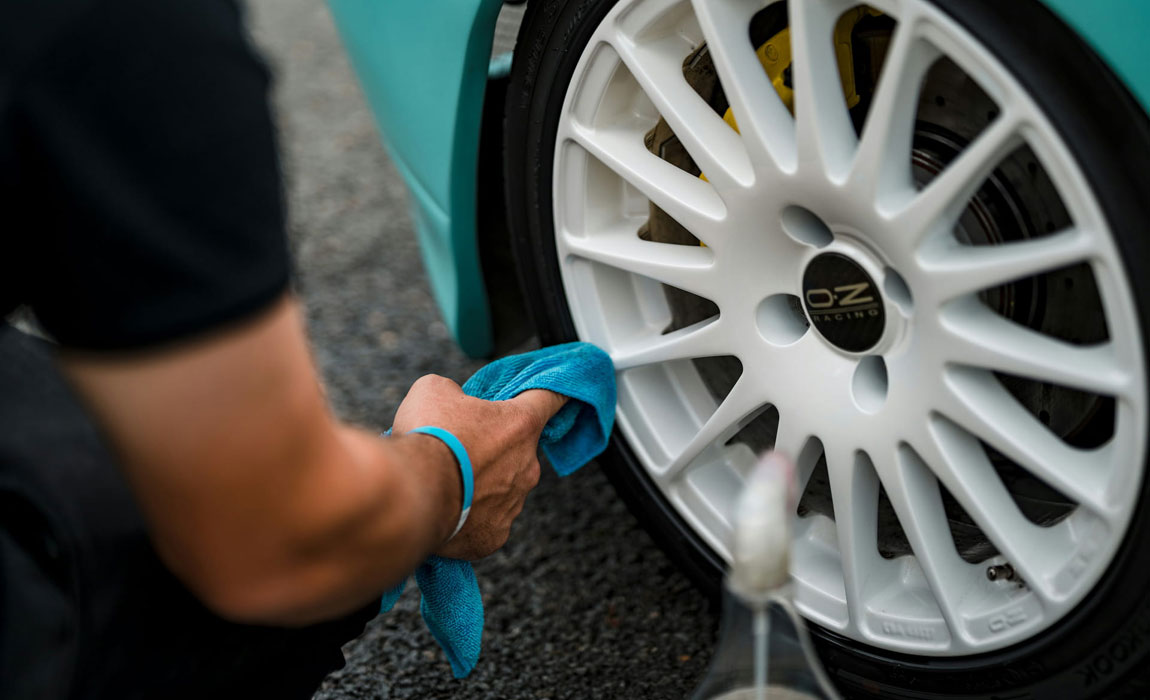
Quick Answer: Yes, you can technically paint alloy wheels yourself with spray cans or a rattle-can kit, and it can cost as little as ₹800–₹1,500 in materials for a full set. But DIY alloy wheel painting has a genuinely high failure rate — peeling within weeks, uneven coverage, and paint that never fully cures around the wheel’s curves — because the two steps that matter most (removing the tyre and properly curing the paint) are exactly what most home setups can’t do. This guide walks through what DIY actually involves, where it typically goes wrong in Bangalore specifically, and an honest comparison against professional painting so you can decide with your eyes open.
Why People Consider DIY in the First Place
It’s an understandable instinct. A can of automotive spray paint costs a few hundred rupees. YouTube has hundreds of “how to paint alloy wheels at home” videos that make it look straightforward — clean the wheel, mask the tyre, spray, done. Compared to a professional respray at ₹2,500–₹6,000 per wheel, the DIY math looks tempting on paper.
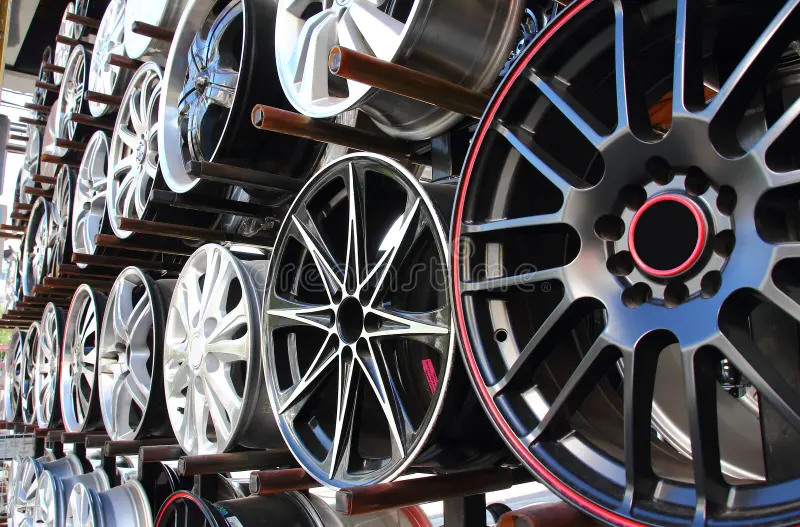
The problem isn’t that DIY painting is impossible. People do successfully paint wheels at home. The problem is that the specific conditions that make a paint job last — proper prep, full tyre removal, and controlled curing — are hard to replicate in a driveway or apartment parking spot, and Bangalore’s climate doesn’t do you any favours either.
What DIY Alloy Wheel Painting Actually Involves
If you’re going to attempt it, here’s the realistic process — not the shortened YouTube-thumbnail version.
1. Removing the wheel from the car Straightforward with a jack and lug wrench — this part is genuinely fine to DIY.
2. Removing the tyre from the wheel This is where most home attempts stop short. Removing a tyre from a wheel requires a tyre changing machine — it’s not something you can do by hand without risking damage to the wheel rim or the tyre bead. Most DIY guides skip this step entirely and mask around the mounted tyre instead.
3. Cleaning and degreasing Doable at home with basic degreasers, though getting into every crevice of a multi-spoke design takes real patience.
4. Sanding the existing finish Also doable, but inconsistent sanding — missing spots, uneven pressure — is one of the most common reasons DIY paint doesn’t bond evenly.
5. Masking Masking around a mounted tyre (since the tyre wasn’t removed) is fiddly and rarely produces a clean edge. Overspray onto the tyre sidewall is extremely common in DIY jobs.
6. Priming and painting with spray cans This is where climate and technique both matter enormously — covered in detail below.
7. Curing Air-drying at ambient temperature, with no oven or heat lamp, in whatever conditions your parking spot has that day.
8. Remounting and balancing If the tyre was never removed, this step doesn’t apply — but it also means the paint never got professionally sealed around the bead area, which is exactly where DIY finishes tend to fail first.
Where DIY Painting Goes Wrong — The Honest List
Paint applied over a mounted tyre never covers the full wheel properly. The area near the tyre bead — where the wheel meets the rubber — is impossible to paint evenly without removing the tyre. This is the single biggest quality gap between DIY and professional work, and it’s usually invisible until you look closely a few months later and see the unpainted or unevenly painted ring near the tyre.
Bangalore’s humidity affects cure time unpredictably. Spray paint cures through solvent evaporation, and humidity slows that process significantly. During Bangalore’s monsoon months (June–September), ambient humidity can leave a “dry to the touch” spray paint job still soft and vulnerable underneath for days — during which dust, insects, and handling all get baked into the finish.
Dust contamination is nearly impossible to avoid outdoors. Professional booths use filtered, controlled airflow specifically to keep dust out of wet paint. A driveway or open parking area in Bangalore — especially near any road with construction dust, which is most of the city — means your wet paint is collecting airborne particles the entire time it’s curing.
Spray can coverage is thinner and less durable than a proper spray gun. Aerosol cans deliver less material per pass than the equipment professional shops use, meaning DIY jobs often end up with thinner colour coats and inconsistent clear coat protection — both of which shorten how long the finish lasts before chipping.
No proper curing oven means the paint never fully hardens. Oven-cured finishes reach a hardness that air-dried paint simply can’t match at ambient temperature. This is why professionally painted wheels resist chipping and scratching noticeably better than home-painted ones, even when both used similar paint.
Balance gets disturbed and never corrected. If the tyre stays mounted throughout, you avoid a balancing step — but that also means if any wheel weight shifted or the tyre wasn’t perfectly reseated when you handled the wheel, there’s no re-balancing to catch it. You may drive away with a vibration that wasn’t there before.
Realistic DIY Cost vs What You’re Actually Getting
| DIY (Spray Can) | Professional | |
|---|---|---|
| Materials/service cost (per wheel) | ₹200–₹400 | ₹2,500–₹5,000 |
| Tyre removed for full coverage | No (typically) | Yes, always |
| Dust-controlled environment | No | Yes (booth or controlled space) |
| Proper cure (oven or controlled) | No | Often yes |
| Multi-coat with clear lacquer | Usually single thin coat | 2–3 coats + clear coat |
| Post-paint balancing | Not applicable | Included |
| Typical time before peeling/chipping | 2–6 months | 3–5 years |
| Warranty | None | Usually 6+ months |
The upfront saving is real — roughly ₹2,000–₹4,500 per wheel cheaper to DIY. But if a DIY finish needs redoing within 6 months and you eventually pay for a proper professional job anyway, the total cost ends up higher than just booking it properly the first time. This mirrors almost exactly the math we’ve seen play out with other DIY-tempting car maintenance decisions — the honest comparison in our alloy wheel painting cost guide has the full professional pricing breakdown if you want to compare directly.
When DIY Genuinely Makes Sense
To be fair to DIY, it’s not always the wrong call.
Temporary or budget vehicles. If it’s an older car you’re not planning to keep long, or a low-stakes second vehicle, a rough DIY job that lasts a year might be perfectly acceptable.
Small touch-ups, not full resprays. Touching up a small chip or scuff with matched paint is a much lower-risk DIY task than a full wheel respray — the margin for error is smaller, and even an imperfect touch-up is barely visible at that scale.
You have genuine painting experience. If you’ve done automotive spray painting before — panels, other parts, anything requiring similar technique — your results will be meaningfully better than a first-timer’s, even without professional equipment.
You accept it’s genuinely temporary. Some owners deliberately choose a cheap DIY colour change knowing they’ll professionally repaint later, essentially treating it like a trial run for a colour they’re not fully committed to yet.
When You Should Skip DIY Entirely
If your wheels have any damage. Paint doesn’t fix dents, cracks, or corrosion — it sits on top of whatever’s underneath. If there’s damage, you need repair first, and that’s a job with much less DIY margin for error than a cosmetic repaint. Our alloy wheel repair cost guide covers what’s actually repairable versus what needs professional-grade work.
If you’re changing to a finish that requires precision — matte, two-tone, or metallic. These finishes are far less forgiving of uneven application than a basic gloss black, and mistakes are more visible.
If the car is leased, still under warranty, or you’re planning to sell soon. A visibly amateur paint job can hurt resale value more than a faded-but-original factory finish would.
If you don’t have a genuinely dust-free, well-ventilated space to work in. Most Bangalore apartment parking areas and open driveways simply don’t meet this bar, especially during dry, dusty months or humid monsoon stretches.
A Middle Ground Worth Considering
If the appeal of DIY is really about cost, ask a professional shop whether they offer a budget single-coat option without the full multi-stage process — some shops will do a simpler, faster job at a lower price point for customers who understand the trade-off, while still handling the two things a home setup genuinely can’t do well: removing the tyre and controlling the curing environment. That gets you most of the savings without the biggest DIY failure points.
Book Professional Alloy Wheel Painting at Tyre Torque — Two Bangalore Locations
If you’ve weighed it and decided DIY isn’t worth the risk for your wheels, Tyre Torque handles the full process properly — tyre removed, multi-coat application, proper cure, and balancing included.
✅ Full tyre removal for every wheel — no painting around mounted tyres ✅ Dust-controlled workspace, not an open driveway ✅ Multi-coat colour application with clear coat sealing ✅ Wheel balancing included after every remount ✅ 6-month warranty against peeling or flaking under normal use
📍 Kasturi Nagar (North-East Bangalore)
Tyre Torque – NV Tyre Centre Kasturi Nagar Main Road, Near CMR College, Next to Nayara Petrol Station, Chikka Banaswadi, Bangalore – 560043 📞 +91-72041-01993 🕘 Open 7 days | 8:00 AM – 8:00 PM
📍 Kudlu (South-East Bangalore)
Tyre Torque – NV Tyre Centre (Kudlu Branch) No. 3, Sy.No.148/3, Silver County Road Circle, Near TCIS School, Choodasandra, Kudlu, Bengaluru – 560102 📞 +91-76187-91796 🕘 Open 7 days | 9:00 AM – 9:00 PM
See our full alloy wheel painting cost and colour guide for pricing across finishes, or our alloy wheel repair cost guide if your wheels need damage repair before any painting happens.
Frequently Asked Questions
What kind of paint do people use for DIY alloy wheel painting?
Automotive-specific spray paint designed for wheels (heat-resistant, rated for the surface conditions wheels experience) rather than generic spray paint — using the wrong type is one of the fastest ways to see early failure, since wheels get hotter than most painted surfaces from brake heat.
Can I just use a rattle-can primer and skip proper sanding?
You can, but adhesion will be noticeably weaker, and the finish is far more likely to peel in sheets rather than wear gradually — proper sanding creates the mechanical grip that makes any paint job durable.
Is it true that DIY paint jobs void any warranty on aftermarket wheels?
This depends on the wheel manufacturer’s specific terms — check before painting if your wheels are still under an aftermarket warranty, since some do exclude coverage after non-factory refinishing work.
How can I tell if a DIY job on a used car’s wheels was done properly?
Look closely at the area near the tyre bead — if there’s an unpainted or roughly-masked ring where the wheel meets the tyre, that’s a strong sign the tyre wasn’t removed during painting, which usually means the rest of the job cut similar corners.
Is powder coating possible as a DIY project?
Not realistically — powder coating requires an electrostatic gun and a curing oven capable of sustained high heat, equipment that isn’t practical for home use. If you want the durability powder coating offers, that’s a professional-only service.