Last Updated: February 2026 | Reading Time: 13 minutes | Critical for March-May
Your Tyre Just Exploded on ORR at 100 kmph—Here’s Why
It’s April 28th, 2:00 PM. Temperature: 38°C. You’re driving your Hyundai Creta on Outer Ring Road toward Whitefield. Speed: 95 kmph. Suddenly—BANG!—rear-right tyre explodes. The car swerves violently. You grip the steering wheel, fighting to control 1,600 kg of metal. Heart racing. Palms sweating. You barely pull over safely.
What just happened?
Your tyre was inflated to 32 PSI this morning when it was 22°C. By 2 PM at 38°C, pressure rose to 37 PSI. The scorching asphalt (65°C surface temperature) heated your tyre to 75°C. That small puncture you ignored last week? It just became a blowout. The already-stressed rubber couldn’t handle the pressure spike.
The cost:
- New tyre: ₹8,500
- Damaged rim: ₹12,000
- Bodywork from hitting divider: ₹25,000
- Total: ₹45,500
- Your life? Priceless.
This happens to 200+ Bangalore drivers every April-May. And it’s 100% preventable.
This complete guide reveals how Bangalore’s brutal summer heat destroys tyres, exact prevention steps for April-May survival, and emergency protocols if a blowout happens.
Why Bangalore Summers Are Uniquely Dangerous for Tyres
The Triple Threat:
1. Extreme Temperature Swings (18°C to 38°C)
Bangalore isn’t consistently hot like Chennai or Delhi. It’s the 20°C daily swing that kills tyres:
Morning (6-8 AM): 18-22°C
- You check tyre pressure: 32 PSI (perfect)
- Rubber is cool, contracted
- Pressure is stable
Afternoon (2-4 PM): 35-38°C
- Tyre pressure now: 37-38 PSI
- Rubber expanded, stressed
- Pressure 16% higher than morning
The Problem: Most Bangaloreans set pressure once (morning) and forget. By afternoon, tyres are over-inflated by 5-6 PSI. This causes:
- Reduced contact patch (center wears faster)
- Harder ride (less shock absorption on potholes)
- Increased blowout risk (pressure exceeds design limits)
- Sidewall stress (premature cracking)
The Physics: Every 10°C temperature increase = 1.5 PSI pressure increase Bangalore daily swing: 20°C = 3 PSI pressure change Weekly swing (cool night to hot day): 4-5 PSI change
2. Asphalt Surface Temperature (60-70°C)
While air temperature is 38°C, asphalt absorbs and radiates heat:
Measured Surface Temperatures (April 2025 data):
- ORR Express Lanes: 65°C at 2 PM
- Silk Board Junction (stopped traffic): 68°C
- Whitefield Main Road: 62°C
- Airport Road: 64°C
What This Does to Tyres: Your tyre tread is in direct contact with 65°C surface for hours. The rubber heats from outside (asphalt) AND inside (friction from rotation at 100 kmph).
Result: Tyre temperature reaches 70-75°C
At 75°C, rubber:
- Softens (loses structural strength)
- Oxidizes faster (aging accelerated 3x)
- Separates internally (tread can detach from carcass)
- Develops micro-cracks (entry points for air leaks)
3. Stop-and-Go Traffic (Heat + No Cooling)
Bangalore’s notorious traffic creates a worst-case scenario:
Highway Driving:
- Tyre rotates constantly
- Air flows over surface (cooling effect)
- Heat dissipates
Silk Board Standstill:
- Tyre stationary for 10-15 minutes
- No air flow (zero cooling)
- Heat builds up in contact patch
- Same spot touching 68°C asphalt continuously
- Rubber literally “cooks”
Then Sudden Acceleration: Hot, softened rubber + sudden load = structural failure
The 5 Most Common Summer Tyre Failures in Bangalore
Failure #1: Blowout (Catastrophic Sudden Failure)
What happens: Tyre explodes at high speed. Complete air loss in 1-2 seconds.
Causes in Bangalore Summer:
- Over-inflation from heat (pressure exceeds maximum rated PSI)
- Existing puncture + heat expansion = rupture
- Sidewall crack + heat stress = explosive failure
- Old tyres (5+ years) + UV damage + heat = catastrophic failure
Warning Signs:
- Bulge on sidewall (internal structure separated)
- Tyre feels “harder” than usual
- Vibration at highway speeds
- Cracks visible on sidewall
Most Common Locations:
- ORR high-speed sections (100+ kmph when blowout occurs)
- Elevated flyovers (no shade, maximum sun exposure)
- After long stationary periods (traffic jam then sudden acceleration)
Prevention:
- Reduce pressure 1-2 PSI in summer
- Replace tyres older than 6 years
- Check for bulges weekly
- Never ignore vibrations
Failure #2: Tread Separation (Silent Killer)
What happens: The tread layer separates from the tyre carcass. You’re driving on rubber that could peel off completely.
Causes:
- Heat weakens adhesive bonds between rubber layers
- Manufacturing defect + heat stress = accelerated failure
- Under-inflation + heat = excessive flexing = separation
- Age (tyres >5 years) + Bangalore summer = adhesive breakdown
Warning Signs:
- Unusual vibration (not wheel balance issue)
- Thumping sound at speed
- Visible gaps between tread and sidewall
- Tread feels “loose” when pressed
Bangalore-Specific Risk: April-May is when 3-4 year old tyres (bought in 2022-2023) hit their heat-stress limit. The adhesive has degraded from UV + heat cycles. This summer might be the breaking point.
Real Case (April 2025): Maruti Swift on Nice Road. Tyre looked fine. At 80 kmph, entire tread peeled off like a banana. Car lost control. Tyre was 4 years old, passed visual inspection. Heat caused internal separation not visible from outside.
Failure #3: Slow Leak Becomes Fast Leak
What happens: That minor puncture, losing 1 PSI/week, suddenly loses 10 PSI/day in summer heat.
Why:
- Heat expands the puncture hole
- Rubber around hole softens (loses grip on plug/patch)
- Pressure differential increases (higher internal pressure)
- Plug that held at 30 PSI fails at 37 PSI
Bangalore Pattern:
- March: Small leak, top up air weekly, manageable
- April: Same leak, top up every 2-3 days
- Late April: Leak accelerates to daily air loss
- Early May: Complete failure (plug ejects or hole tears larger)
Cost Progression:
- March: Could have fixed with ₹350 mushroom repair
- May: Need new tyre ₹8,000-12,000 (inner liner damaged from driving on low pressure)
Failure #4: Sidewall Cracking (Dry Rot)
What happens: Fine cracks appear on the sidewall rubber. Looks cosmetic. It’s not.
Science:
- UV radiation breaks down rubber compounds
- Heat accelerates oxidation (rubber deteriorates)
- Ozone (higher in summer) attacks rubber molecules
- Cracks start small, propagate deep into the sidewall structure
Bangalore Summer Acceleration: Normal aging: 1 year of life = 1 year of UV exposure. Bangalore April-May: 2 months = 6 months equivalent UV damage Why? Longer days (13.5 hours vs 11.5 hours), higher UV index (10-12 vs 6-8), no cloud cover
Danger: Cracks are entry points for air leaks and structural weak points. A minor pothole impact that healthy rubber absorbs can cause catastrophic failure on cracked rubber.
When to Replace:
- Cracks deeper than 1mm
- Cracks in multiple locations
- Cracks + tyre age >5 years
- Any crack + upcoming highway trip
Failure #5: Valve Stem Failure
What happens: Rubber valve stem cracks, leaks air, or breaks off completely.
Why It’s Worse in Summer: Valve stems are pure rubber, directly exposed to sun. No tread or sidewall protects them. They get hotter than any other part.
Bangalore April Heat Effect:
- Valve temperature: 50-60°C (hotter than tyre surface)
- Rubber becomes brittle
- Cracks form at base
- Sudden failure dumps all air in 5-10 seconds
Warning Signs:
- Hissing sound when checking pressure
- Difficulty holding gauge on valve (wiggles)
- Visible cracks at valve base
- Valve cap stuck (rubber expanded)
Replacement Cost: ₹40-50 per valve Cost of Failure: Entire tyre damaged from driving flat + potential accident
Your April-May Tyre Survival Checklist
MARCH 25-31: Pre-Summer Preparation Week
Task 1: Complete Tyre Inspection (30 minutes)
Do this BEFORE April heat hits:
□ Check tread depth all 4 tyres + spare
- Use ₹5 coin: Insert Ashoka pillar into groove
- If pillar fully visible: <2mm tread = REPLACE BEFORE SUMMER
- Summer driving on worn tyres = extremely dangerous
□ Inspect sidewalls under bright light
- Look for cracks (any depth)
- Check for bulges (indicates internal damage)
- Examine for cuts or gouges
- If any damage found: Replace immediately, don’t risk summer
□ Check manufacture date (DOT code)
- Find DOT code on sidewall (example: DOT XXXX 1820)
- Last 4 digits = Week 18, Year 2020 (May 2020)
- If tyres are 6+ years old (manufactured before 2020): REPLACE
- Bangalore heat ages tyres 30-40% faster than cooler climates
□ Examine valve stems
- Look for cracks at base
- Check if rubber feels hard/brittle
- Replace if any doubt (₹40 each vs ₹8,000 tyre replacement)
□ Inspect spare tyre
- Most people ignore spare until needed
- Check pressure (should be 60 PSI for temporary spares)
- Verify age and condition
- A failed spare in May heat leaves you stranded
Cost of Pre-Summer Inspection:
- DIY: Free (30 minutes of your time)
- Professional at TyreTorque: FREE with courtesy check
Potential Savings: ₹45,000+ (prevented blowout + accident costs)
Task 2: Professional Wheel Alignment Check
Why Critical Before Summer:
- Misaligned wheels cause uneven heating (one edge gets hotter)
- Hot spots accelerate rubber breakdown
- Uneven wear + summer heat = premature failure
When to Get Alignment: □ If it’s been >8,000 km since last alignment □ If car pulls to left/right □ If steering wheel off-center □ After hitting any major pothole (Silk Board special!)
Cost: ₹1,200 at TyreTorque (3D computerized with printout) Benefit: Even wear distribution = tyres survive summer heat
Task 3: Adjust Tyre Pressure for Summer
Standard Pressure: Check door jamb sticker (typically 32-33 PSI)
Summer Adjustment Strategy:
For April-May in Bangalore:
- Morning setting (below 25°C): Reduce by 1-2 PSI
- Example: If door jamb says 32 PSI, set to 30-31 PSI
- Why: Pressure will rise to 33-35 PSI by afternoon (safe range)
If You Check Pressure in Afternoon (hot tyres):
- DO NOT reduce pressure when hot
- Note the reading
- Recheck next morning when cool
- Adjust only when cold
NEVER: ❌ Release air from hot tyres (dangerous under-inflation) ❌ Over-inflate thinking “it’ll be fine” ❌ Ignore TPMS warnings
APRIL 1 – MAY 31: Daily & Weekly Summer Routine
Every Morning (2 minutes before starting car):
□ Visual walk-around inspection
- Look for any flat or low tyre
- Check for objects embedded in tread
- Look for new cracks or damage
- Ensure valve caps are on
Why Morning:
- Tyres are cool (accurate visual assessment)
- Catches overnight slow leaks
- Prevents driving on damaged tyre
Every Monday Morning (5 minutes):
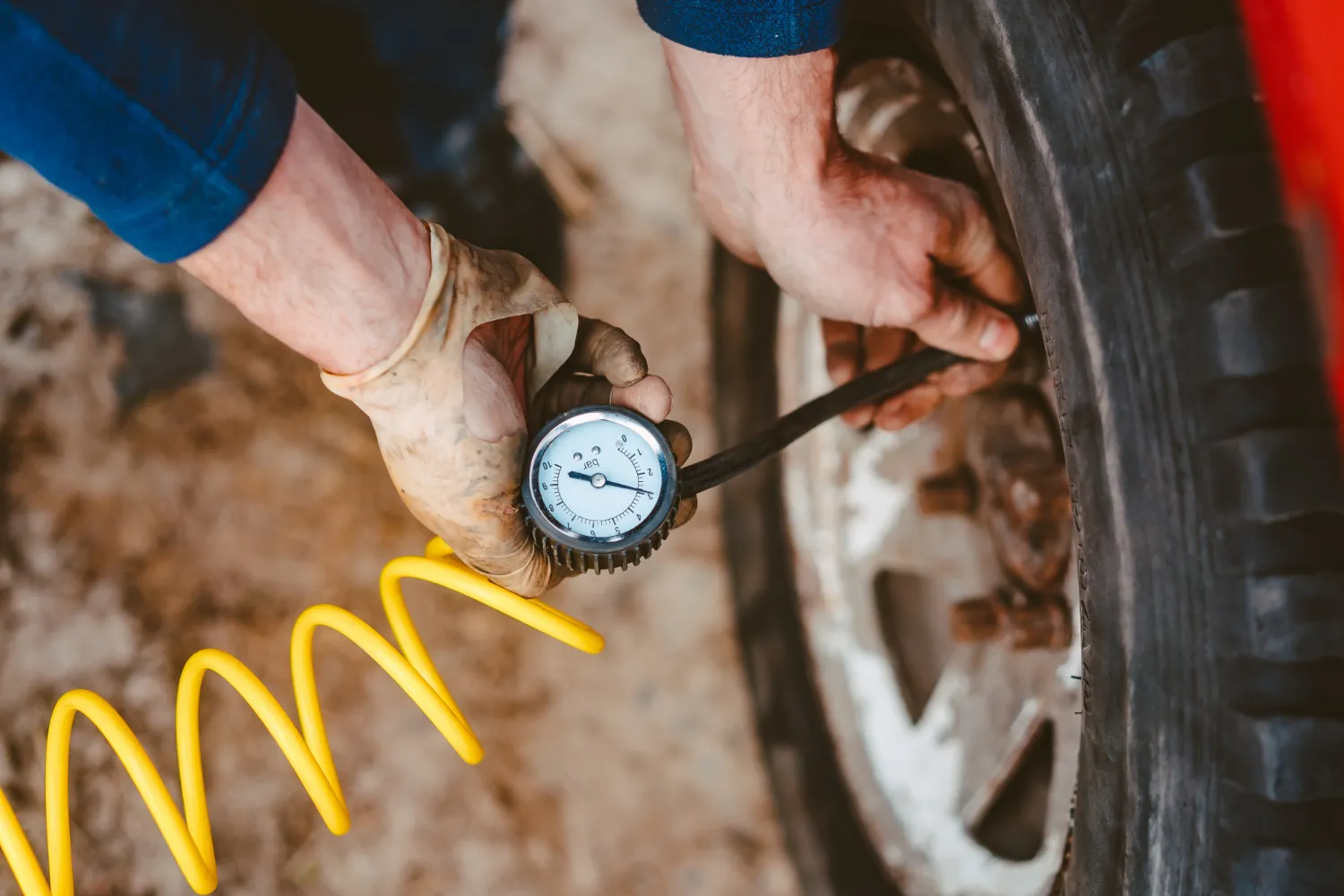
□ Pressure check all 4 tyres + spare
- Use a digital gauge (₹500 investment, lasts for years)
- Check when tyres are cold (before driving)
- Adjust to summer-reduced pressure (30-31 PSI typical)
- Note which tyres lose pressure faster (indicates a slow leak)
□ Quick tread inspection
- Any new cuts, nails, or screws?
- Remove immediately, visit the shop the same day
Every 2 Weeks (10 minutes):
□ Detailed sidewall inspection
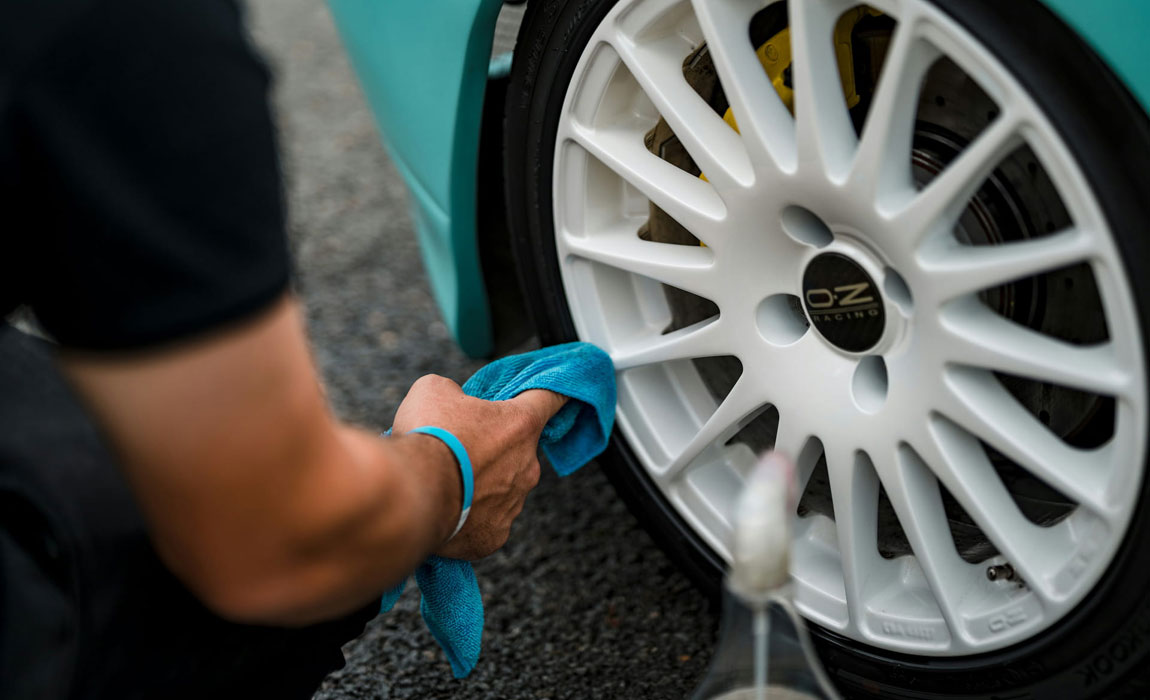
- Clean tyres with water
- Inspect sidewalls for new cracks
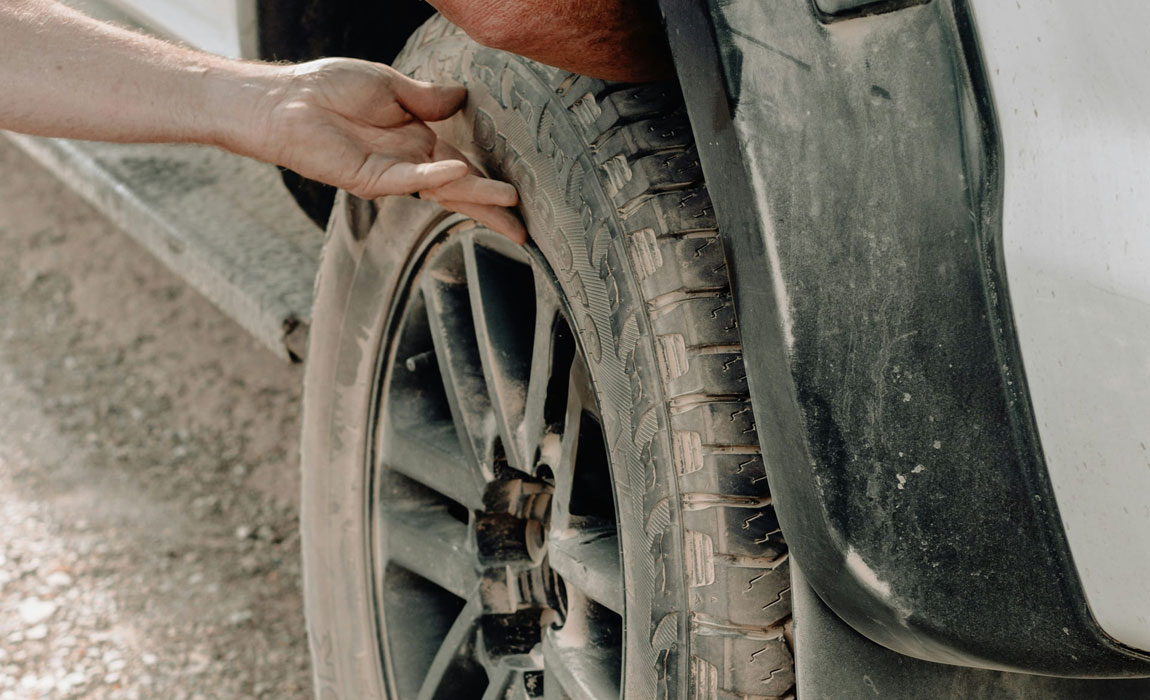
- Check for bulges (feel with hand)
- Examine valve stem condition
□ Rotation planning
- Note current mileage
- If >8,000 km since last rotation, book an appointment
- Summer is NOT the time to skip rotation
Mid-Summer Check (Early May):
□ Professional inspection at tyre shop
- Have the technician examine for heat damage
- Check alignment (summer potholes misalign wheels)
- Verify pressure monitoring
- Peace of mind for the remaining 6 weeks of heat
Cost at TyreTorque: FREE inspection Value: Catch problems before catastrophic failure
Emergency Summer Driving Guidelines
Rule #1: Reduce Highway Speeds in Peak Heat
Normal conditions: Safe up to 120 kmph (if tyres rated) April-May 12 PM – 4 PM: Limit to 90-100 kmph maximum
Why:
- Higher speed = higher tyre temperature
- At 120 kmph, tyre temp can exceed 80°C
- Combined with 38°C air + 65°C asphalt = rubber breakdown
- Even good tyres can fail at extreme temperatures
Bangalore-Specific:
- ORR: Reduce to 90 kmph during afternoon heat
- Nice Road: 80-90 kmph in summer afternoons
- Elevated flyovers (no shade): Extra caution, slower speeds
Rule #2: Avoid Afternoon Highway Driving (12 PM – 4 PM)
Ideal Summer Driving Times:
- Morning: 6 AM – 11 AM (cooler, lower tyre stress)
- Evening: 6 PM – 10 PM (temperature dropping)
If You Must Drive Afternoon:
- Plan rest stops every 45-60 minutes
- Park in shade, let tyres cool 15-20 minutes
- Check pressure if possible (but don’t reduce when hot)
- Avoid maximum speeds
Long Trips (Bangalore-Mysore, Bangalore-Chennai):
- Start at 5-6 AM (arrive before peak heat)
- OR start at 4-5 PM (arrive after sunset)
- Never start at noon in April-May
Rule #3: Traffic Jam Protocol
If Stuck in Stationary Traffic (Silk Board, Marathahalli) During Hot Day:
□ Turn off AC (engine cools, reduces heat transfer to tyres) □ If safe, move slightly every 5 minutes (prevents heat concentration) □ After traffic clears, accelerate gently (don’t shock hot tyres) □ First safe opportunity: Pull over, visual tyre check
Why This Matters: Stationary tyre on 68°C asphalt for 20+ minutes = localized overheating. That spot is weakened. Sudden acceleration can cause failure.
Tyre Blowout Emergency Response (If It Happens)
The First 5 Seconds (Survival):
DO: ✅ Grip steering wheel firmly with both hands (blowout pulls vehicle violently) ✅ Keep straight (fight the pull, don’t overcorrect) ✅ Ease off accelerator gently (don’t brake suddenly) ✅ Look for safe spot ahead (left shoulder, service lane)
DON’T: ❌ Slam brakes (causes spin/rollover) ❌ Jerk steering (exaggerates pull) ❌ Panic accelerate (makes it worse)
Physics: Blowout creates instant asymmetric drag. Car pulls toward blown tyre. Your instinct is to jerk wheel away—DON’T. Firm, steady correction is key.
Next 30 Seconds (Control & Stop):
- Maintain speed briefly (counter-intuitive but stabilizes vehicle)
- Gentle deceleration (ease off gas, let engine braking slow you)
- Turn on hazard lights (warn vehicles behind)
- Gradual steering (move toward left shoulder)
- Only when under 60 kmph: Light brake pressure (gentle, progressive)
- Aim for widest shoulder (away from traffic flow)
After Stopping (Safety First):
□ Turn off engine □ Keep hazard lights on □ Exit vehicle from left side (away from traffic) □ Move behind barrier/guardrail if available □ Place warning triangle 50-100m behind vehicle □ Call for help: +91-72041-01993 (TyreTorque emergency)
NEVER:
- Stand next to vehicle on highway
- Attempt tyre change in traffic lane
- Change tyre on ORR without extreme caution
Summer Tyre Myths Debunked
Myth #1: “Let air out of hot tyres to reduce pressure”
WRONG. Extremely dangerous.
Truth:
- Pressure rise from heat is normal
- Tyres are designed for this pressure variation
- Releasing air from hot tyres = severe under-inflation when cool
- Next morning: dangerously low pressure, risk of sidewall damage
Correct Action: Check and set pressure only when tyres are cold (morning, before driving).
Myth #2: “Over-inflate tyres in summer for better fuel economy”
WRONG. Increases blowout risk.
Truth:
- Over-inflation = less contact patch = less grip
- Center tread wears faster (costs more than fuel savings)
- Reduced shock absorption (more pothole damage)
- Higher blowout risk (exceeding maximum rated pressure)
Correct Action: Reduce pressure by 1-2 PSI in summer, not increase.
Myth #3: “New tyres don’t need summer care.”
WRONG. New tyres can fail too.
Truth:
- Manufacturing defects exist (internal separation)
- New tyres from old stock (check DOT date)
- Even new tyres need proper inflation
- Heat stress affects all rubber, new or old
Correct Action: Treat new tyres with same summer care as older tyres.
Myth #4: “Dark/black tyres stay cooler than worn brownish tyres.”
WRONG. Colour doesn’t matter.
Truth:
- Tyre temperature comes from friction and road heat, not sun absorption
- Rubber compound, not color, determines heat resistance
- Worn tyres (brownish from age) are dangerous because rubber is degraded, not because of color
When to Replace vs When to Repair (Summer Decision Guide)
REPLACE Immediately If:
❌ Tyre age >6 years (check DOT code)
- Summer heat + old rubber = catastrophic failure risk
- Not worth gambling on highway blowout
❌ Sidewall cracks visible
- Any crack >1mm deep
- Multiple cracks
- Cracks + summer heat = imminent failure
❌ Bulge on sidewall
- Internal structure failed
- Summer heat will worsen it
- Blowout is when, not if
❌ Tread depth <2mm
- Illegal and dangerous
- Summer rain + no tread = zero grip
- Replace before May (pre-monsoon)
❌ Previous repair + now showing stress
- Old patch/plug + summer heat = weak point
- Better safe than sorry
Replacement Cost Range (Bangalore):
- Budget tyres: ₹3,500-6,000 per tyre
- Mid-range: ₹6,000-10,000 per tyre
- Premium: ₹10,000-15,000 per tyre
Can Repair If:
✅ New puncture in the tread area
- Size 4-10mm
- Get mushroom repair (₹350), not a quick plug
- Before the summer heat makes it worse
✅ Slow leak from valve
- Replace valve stem (₹40)
- Simple, cheap, effective
✅ Minor embedded object (nail/screw)
- Remove and repair same day
- Don’t wait until summer heat expands hole
TyreTorque Summer Tyre Services
Pre-Summer Tyre Health Check (FREE)
What We Check: ✅ Tread depth (all 4 tyres + spare) ✅ Sidewall condition (cracks, bulges, damage) ✅ Tyre age verification (DOT code reading) ✅ Pressure check and adjustment ✅ Valve stem condition ✅ Alignment quick-check ✅ Rotation recommendation ✅ Heat stress assessment
Time: 15-20 minutes Cost: FREE (no obligation) Value: Peace of mind for ₹45,000+ blowout prevention
Summer Tyre Package (April-May Special)
Package Includes: ✅ Complete inspection ✅ Summer pressure adjustment (all 4 + spare) ✅ 3D wheel alignment (if needed) ✅ Tyre rotation ✅ Valve stem replacement (if worn) ✅ Nitrogen conversion (heat-stable pressure) ✅ 6-week summer follow-up check (FREE)
Package Price: ₹1,500 (saves ₹900 vs separate services)
Book Now: +91-72041-01993
Emergency Summer Services
Blowout/Puncture Assistance:
- Within 2km radius: FREE for existing customers
- Mobile service available
- Response time: 15-30 minutes
- Call: +91-72041-01993
After-Hours Emergency:
- Available on call
- Spare tyre installation
- Towing arrangement if needed
April-May Survival Timeline
March 25-31: Preparation
- Complete inspection at TyreTorque
- Replace tyres if 6+ years old
- Get alignment and rotation
- Adjust pressure for summer
- Check spare tyre condition
April 1-15: Vigilance
- Daily visual checks
- Weekly pressure monitoring
- Reduce afternoon driving
- Lower highway speeds
April 16-30: Peak Heat
- Extra caution on ORR
- Mid-month professional check
- Avoid 12 PM – 4 PM highway trips
- Emergency kit in car
May 1-15: Final Push
- Continued daily inspections
- Plan long trips for early morning
- Monitor weather (pre-monsoon storms)
- Replace if any doubt
May 16-31: Pre-Monsoon
- Final summer inspection
- Tread depth must be >3mm for monsoon
- Replace worn tyres before June rains
- Prepare for monsoon tyre care
Final Word: Don’t Gamble with Bangalore Summer Heat
Every April-May, we see 15-20 preventable blowouts at TyreTorque. Customers who “meant to get tyres checked” but delayed. Customers who “thought it would be fine” for one more month.
The pattern is always the same:
- Ignored warning signs in March
- Delayed inspection/replacement
- “Just one more trip” mentality
- Catastrophic failure in peak April heat
The cost is always high:
- New tyres + rim damage: ₹20,000-45,000
- Accidents: Medical bills, insurance excess, trauma
- Stranded on highway: Towing, delays, stress
The prevention is always simple:
- 30-minute FREE inspection in March
- Replace tyres showing age/damage
- Follow summer care routine
- Done.
Don’t be the April statistic. Be the smart driver who prepared.
Get Your FREE Summer Tyre Check Today
📍 Visit TyreTorque: Kasturi Nagar Main Road, Near CMR College
Next to Nayara Petrol Station
Chikka Banaswadi, Bangalore – 560043
📞 Call/WhatsApp: +91-72041-01993
⏰ Hours: Monday-Sunday, 8:00 AM – 8:00 PM
Book Your FREE Pre-Summer Inspection:
- No obligation
- No pressure sales
- Honest assessment
- 20 minutes
- Could save your life
Don’t wait until April. Get checked now.
Drive safe this summer. Drive smart. Drive with TyreTorque.