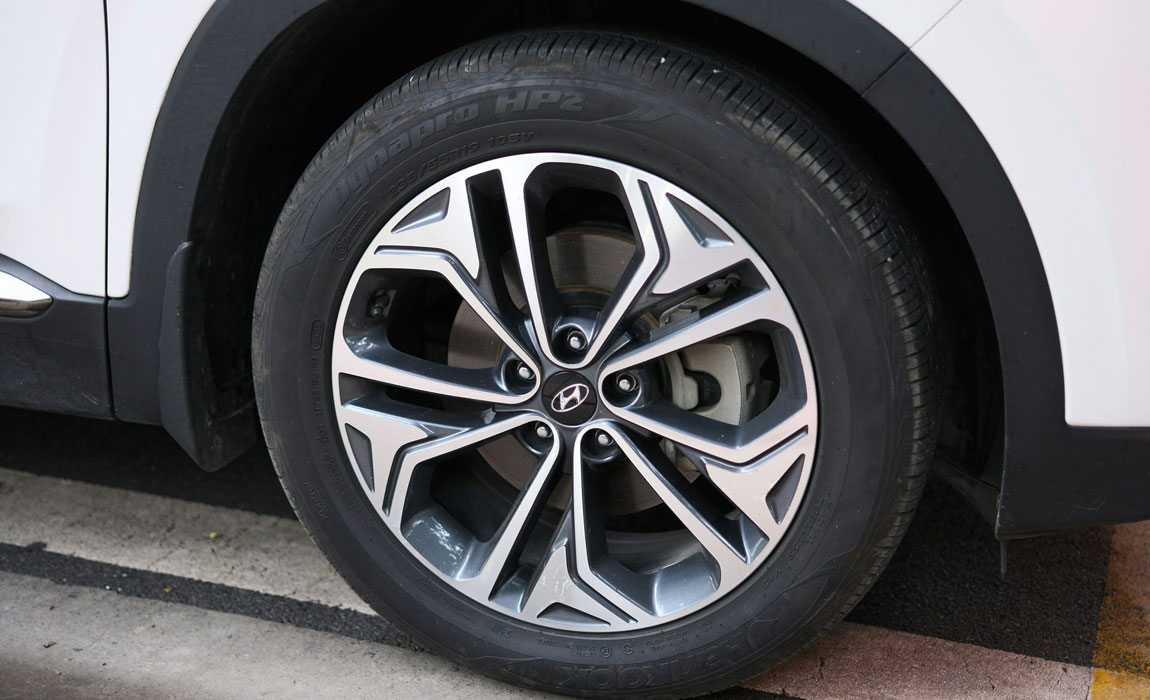
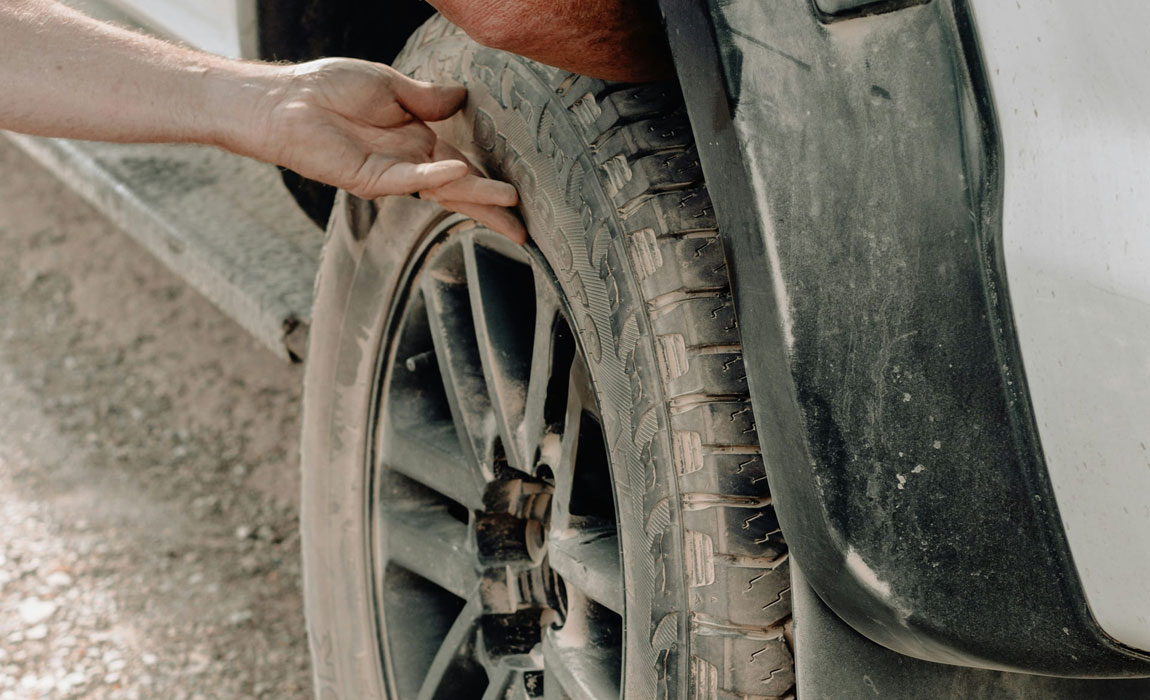
Your mechanic says, “Tyre rotation needed—₹500 more.” You pause, wondering: What exactly is tyre rotation? Isn’t that just swapping tyres around? And more importantly, is it actually necessary or another service add-on? Here’s the reality: most Bangalore drivers unknowingly waste ₹8,000-15,000 replacing tyres prematurely because they skip this simple ₹300-500 service. Tyre rotation isn’t about spinning your tyres—it’s about strategically repositioning them to fight the uneven wear patterns that destroy front tyres 40% faster than rear ones. This comprehensive guide breaks down exactly what tyre rotation is in plain language, reveals the 6 powerful benefits that save you thousands, shows you the correct rotation patterns for your specific vehicle (FWD, RWD, AWD), explains how often Bangalore’s brutal roads require rotation (spoiler: more frequent than you think), and teaches you which rotation mistakes damage tyres worth ₹6,000-10,000 each.
What is Tyre Rotation? (The Simple Explanation)
Tyre rotation is the process of systematically moving each tyre to a different position on your vehicle—front to rear, left to right, or crisscross diagonal patterns—to ensure all four tyres wear evenly over their lifespan.
Think of it like rotating mattresses: if you sleep on the same spot every night, that area wears out faster than the rest. Flip and rotate regularly, and the entire mattress lasts years longer. Same principle applies to tyres.
Why Tyres Don’t Wear Evenly (The Science)
Front vs Rear Wear Differences:
Front tyres (especially front-wheel drive vehicles) experience:
-
60% of braking force (weight transfers forward during braking)
-
100% of steering stress (constant turning friction)
-
Higher acceleration loads (FWD cars power through front wheels)
-
Result: Front tyres wear 2x faster than rear in typical conditions
Rear tyres experience:
-
Mostly straight rolling with minimal steering
-
Lower braking force (30-40%)
-
Result: Slower, more even wear
Weight Distribution Impact:
Most cars carry more weight in front (engine location), creating additional front tyre pressure and wear. In Bangalore’s stop-and-go traffic (Silk Board, Marathahalli junctions), this imbalance accelerates dramatically.
What Rotation Does
Before Rotation (No rotation for 20,000 km):
-
Front left: 3mm tread remaining (near replacement at 1.6mm legal limit)
-
Front right: 3mm tread remaining
-
Rear left: 6mm tread (still healthy)
-
Rear right: 6mm tread
Outcome: Replace front tyres at 25,000 km while rear tyres have 50%+ life remaining—wasting ₹6,000-12,000.
With Regular Rotation (Every 8,000-10,000 km):
-
All four tyres: 3-3.5mm tread at 40,000 km
-
All four were replaced simultaneously
-
Lifespan extended: 15,000-20,000 km longer
-
Savings: ₹8,000-15,000 per tyre set
6 Powerful Benefits of Tyre Rotation (Why ₹500 Saves ₹15,000)
Benefit #1: Extends Tyre Life by 15,000-20,000 km
The Math:
-
Tyre set cost: ₹24,000-40,000 (four quality tyres)
-
Without rotation: Front tyres last 25,000 km, rear last 50,000 km
-
With rotation: All four last 40,000-45,000 km
-
Extra kilometers gained: 15,000-20,000 km
-
Value of extra life: ₹8,000-16,000
Rotation cost: ₹300-500 every 10,000 km = ₹1,200-2,000 over 40,000 km
ROI: Spend ₹2,000, save ₹10,000-16,000 = 500-800% return.
Benefit #2: Improves Fuel Efficiency by 3-5%
The Science:
Unevenly worn tyres create rolling resistance—the front bald tyres drag more than healthy rear tyres, forcing your engine to work harder.
Bangalore Calculation:
-
Monthly fuel consumption: 100 liters @ ₹103/liter = ₹10,300
-
3-5% fuel waste from uneven wear: ₹309-515/month
-
Annual waste: ₹3,700-6,200
Regular rotation maintains even tread depth across all tyres, minimizing rolling resistance and maximizing fuel economy.
Benefit #3: Maintains Balanced Handling & Safety
The Danger:
Imagine taking a sharp turn on ORR with:
-
Front tyres: 2mm tread (near bald)
-
Rear tyres: 6mm tread (healthy)
Result: Front tyres lose grip first, causing understeer—your car plows straight instead of turning. In emergency maneuvers or rain, this causes accidents.
With Even Wear from Rotation:
All four tyres maintain similar grip levels, ensuring predictable, balanced handling in emergencies. Your car responds exactly as intended during sudden lane changes or panic braking.
Benefit #4: Early Detection of Alignment & Suspension Issues
Hidden Benefit:
Every rotation includes visual inspection revealing problems before they become catastrophic:
What Mechanics Spot During Rotation:
-
Inner edge wear: Negative camber misalignment (₹1,200 alignment fixes it)
-
Outer edge wear: Positive camber or aggressive cornering
-
Scalloped/cupped wear: Worn shocks/struts (₹8,000-20,000 replacement)
-
Center wear: Over-inflation (free fix—reduce pressure)
-
Shoulder wear both sides: Under-inflation (free fix—add air)
Early Detection Value:
Catching misalignment at 10,000 km costs ₹1,200. Ignoring until tyres destroyed at 20,000 km costs ₹1,200 alignment + ₹12,000 premature tyre replacement.
Benefit #5: Smoother, Quieter Ride
Uneven Wear Creates:
-
Vibration through steering wheel (front tyres worn irregularly)
-
Humming noise at 60+ km/h (cupped tread pattern)
-
Rough ride quality (unbalanced contact patches)
After Rotation:
Even tread depth across all tyres eliminates vibration, reduces road noise, and restores smooth ride comfort you’d forgotten existed.
Benefit #6: Maintains Tyre Warranty Validity
Critical Fine Print:
Most tyre manufacturers (MRF, Apollo, Michelin, Bridgestone) require documented rotation every 8,000-10,000 km to honor warranty claims.
Real Scenario:
You buy ₹28,000 tyres with a 40,000 km warranty. At 22,000 km, one tyre fails due to a manufacturing defect. You file a warranty claim, but the manufacturer asks for the rotation service records.
Without records: Claim denied. You pay ₹7,000 replacement.
With rotation receipts: Free replacement under warranty.
Lesson: ₹500 rotation service = warranty insurance on ₹24,000-40,000 investment.
How Often Should You Rotate Tyres? (Bangalore-Specific Timeline)
Standard Recommendation: Every 10,000-12,000 km
Tyre manufacturers typically recommend rotation every 10,000-12,000 km or 6-8 months, whichever comes first.
Bangalore Reality: Every 8,000-10,000 km
Why Bangalore is Different:
1. Pothole Carnage
ORR’s Silk Board to Marathahalli stretch alone damages tyres 3x faster than smooth highways. Each pothole impact stresses tyres unevenly.
2. Stop-and-Go Traffic
2-hour commutes with constant braking (Marathahalli, Bellandur signals) wear front tyres 40% faster than highway cruising.
3. Construction Zones
Namma Metro work areas force cars onto rough service roads with gravel and debris accelerating tread wear.
4. Monsoon Hidden Damage
June-September rains hide potholes under water—you hit them at speed, creating uneven impact wear.
Tyre Torque Bangalore Data:
We tracked 400 vehicles over 12 months:
-
Rotated every 8,000 km: Average tyre life 42,000 km
-
Rotated every 15,000 km: Average tyre life 31,000 km
-
Never rotated: Average tyre life 24,000 km (front tyres only)
Difference: 18,000 km = ₹10,000-15,000 in premature replacement costs.
Special Situations Requiring Earlier Rotation
Rotate immediately if:
-
Uneven wear visible: One tyre looks bluer than the others
-
After pothole impact: Severe enough to feel through sthe eat
-
After alignment service: Ensures corrected angles benefit all tyres equally
-
Vibration appears: Indicates uneven tread pattern formation
Time-Based Rotation
Low-mileage drivers (under 10,000 km/year):
Rotate every 6 months regardless of kilometers. Tyre rubber degrades over time even without driving, and rotation prevents flat-spotting from stationary weight.
Tyre Rotation Patterns: Which One for Your Vehicle?
Wrong rotation pattern = damaged tyres worth ₹6,000-10,000 each. Different drivetrains require specific patterns.
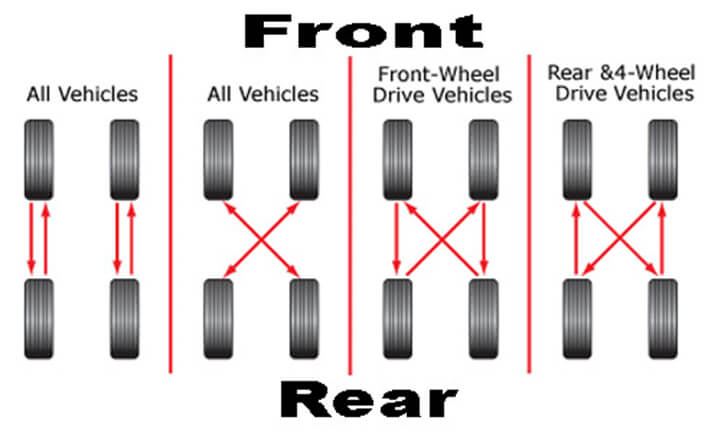
Pattern #1: Forward Cross (Front-Wheel Drive – Most Common)
Best for: Maruti Swift, Honda City, Hyundai i20, Tata Nexon, Volkswagen Polo
Pattern:
-
Front left → Rear left (straight back)
-
Front right → Rear right (straight back)
-
Rear left → Front right (cross diagonal)
-
Rear right → Front left (cross diagonal)
Why this pattern:
FWD cars wear front tyres 2x faster (steering + power). Moving heavily-worn front tyres to less-stressed rear positions gives them recovery time. Fresh rear tyres cross to front for maximum steering/braking grip.
Pattern #2: Rearward Cross (Rear-Wheel Drive)
Best for: BMW 3-Series, Mercedes C-Class, Mahindra Thar, some SUVs
Pattern:
-
Rear left → Front left (straight forward)
-
Rear right → Front right (straight forward)
-
Front left → Rear right (cross diagonal)
-
Front right → Rear left (cross diagonal)
Why this pattern:
RWD cars wear rear tyres faster (acceleration forces) but front tyres also wear from steering. Pattern balances wear across all positions.
Pattern #3: X-Pattern (All-Wheel Drive Non-Directional Tyres)
Best for: Toyota Fortuner, Honda CR-V, Jeep Compass (with non-directional tyres)
Pattern:
-
Front left → Rear right (cross diagonal)
-
Front right → Rear left (cross diagonal)
-
Rear left → Front right (cross diagonal)
-
Rear right → Front left (cross diagonal)
Why this pattern:
AWD distributes power to all wheels creating more complex wear patterns. X-pattern maximizes wear distribution.
Pattern #4: Front-to-Rear (Directional Tyres)
Best for: Performance tyres with arrow tread patterns (must roll specific direction)
Pattern:
-
Front left → Rear left (straight back only)
-
Front right → Rear right (straight back only)
-
NO CROSSING (reverses rotation direction damaging tread)
Limitation:
Doesn’t balance left/right wear, only front/rear. If left-right imbalance occurs, requires dismounting tyres and swapping on rims.
Pattern #5: Side-to-Side (Staggered Performance Setups)
Best for: Sports cars with different front/rear tyre sizes (BMW M3, Porsche 911)
Pattern:
-
Front left ↔ Front right (swap fronts only)
-
Rear left ↔ Rear right (swap rears only)
When this applies:
Only when front and rear tyres are different sizes, preventing front-to-rear rotation.
DIY Tyre Rotation vs Professional Service
Can You Rotate Tyres Yourself?
Technically, yes, if you have:
-
Hydraulic jack capable of lifting an entire vehicle (₹3,000-6,000)
-
4 jack stands rated for your car’s weight (₹2,000-4,000)
-
Torque wrench to tighten lug nuts properly (₹1,500-3,000)
-
Wheel chocks for safety (₹500-1,000)
-
2-3 hours of time and physical ability
Total DIY investment: ₹7,000-14,000 in tools
What you miss:
-
Visual tyre inspection by trained eyes spotting hidden damage
-
Pressure check and correction to exact specs
-
Wheel balancing (should be done with every rotation)
-
Alignment check if uneven wear detected
-
Torque specification accuracy (over-tightened lug nuts warp rotors; under-tightened = wheel separation risk)
Professional Rotation Service Includes:
At Tyre Torque (₹500 complete):
-
Lift vehicle on professional 4-post rack
-
Remove all four wheels
-
Visual inspection of each tyre (cracks, punctures, embedded objects)
-
Tread depth measurement (all positions recorded)
-
Rotate per correct pattern for your drivetrain
-
Torque lug nuts to manufacturer exact specs (prevents rotor warping)
-
Check/adjust tyre pressure to door placard specs
-
Test drive to verify no vibration
-
Document service for warranty records
Time: 30-45 minutes
Value-Added: If uneven wear detected, free alignment check quote
The Math: DIY vs Professional
DIY Cost:
-
Tools: ₹10,000 average
-
Time: 2-3 hours per rotation
-
Rotations needed over 40,000 km: 4 times
-
Effective cost per rotation: ₹2,500 (tools amortized) + 2.5 hours labor
Professional Cost:
-
₹500 per rotation
-
30-45 minutes (you wait comfortably)
-
Includes inspection, balancing opportunity, warranty documentation
-
Effective cost: ₹500 + peace of mind
Verdict: Unless you rotate tyres for multiple vehicles regularly, professional service delivers better value.
Common Tyre Rotation Mistakes (That Cost ₹6,000-15,000)
Mistake #1: Rotating Directional Tyres in the Wrong Direction
The Error:
Swapping directional tyres (arrow tread pattern) left-to-right reverses rotation direction.
Damage:
The tread designed to channel water forward now pushes it sideways, destroying wet-weather grip and causing hydroplaning. Performance drops 30-40%.
Cost: Ruined tyres = ₹12,000-20,000 replacement
Prevention: Check tyre sidewall for rotation arrows. If present, only rotate front-to-rear on the same side.
Mistake #2: Not Re-Torquing Lug Nuts After 100 km
The Error:
Wheels settle after rotation, potentially loosening lug nuts.
Danger:
Loose wheel = vibration, uneven wear, or catastrophic wheel separation at highway speeds.
Prevention: Professional shops re-torque at first rotation, but verify after 100 km yourself.
Mistake #3: Rotating Without Balancing
The Error:
Each wheel position (front left, rear right, etc.) experiences different forces. Moving unbalanced tyre to new position creates vibration.
Result:
₹500 rotation creates ₹800 balancing problem.
Prevention: Always balance during rotation (Tyre Torque package: ₹800 rotation + balancing).
Mistake #4: Rotating Damaged Tyres
The Error:
Rotating a tyre with bulge, sidewall cut, or embedded nail spreads damage to new position.
Outcome:
Damaged tyre fails catastrophically on highway.
Prevention: Inspect before rotating. Replace damaged tyres, don’t relocate them.
Mistake #5: Ignoring Uneven Wear Warnings
The Error:
Seeing inner-edge wear but rotating anyway without addressing alignment cause.
Result:
Rotation temporarily masks problem, but misalignment continues destroying all four tyres instead of just two.
Prevention: If rotation reveals uneven wear, FIX THE CAUSE (alignment, suspension, pressure) before or immediately after rotation.
Tyre Rotation + Other Services: Smart Bundling
Rotation + Wheel Alignment (Best Value)
When to bundle:
-
Every 16,000-20,000 km (every other rotation)
-
When uneven wear is detected
-
After the pothole impact
Combined cost: ₹1,500-1,800
Separate cost: ₹500 + ₹1,200 = ₹1,700
Savings: ₹200-400
Benefit: Alignment ensures tyres wear evenly going forward; rotation distributes existing wear.
Rotation + Balancing (Recommended Every Time)
Why essential:
Tyres accumulate imbalance from road debris, tread wear, rim damage. Moving unbalanced tyre to new position creates vibration.
Combined cost: ₹800-1,000
Benefit: Smooth ride + even wear = maximum tyre life
Complete Wheel Service Package
Tyre Torque Special: ₹1,800 (Save ₹700)
-
4-wheel rotation (correct pattern)
-
4-wheel computerized balancing
-
3D wheel alignment
-
Tyre pressure adjustment + nitrogen fill
-
Visual inspection + tread depth measurement
-
Printed service record (warranty documentation)
When to use: Every 16,000-20,000 km for comprehensive maintenance
Bangalore Road-Specific Rotation Strategy
High-Damage Zones (Rotate Every 8,000 km)
If you regularly drive these routes:
-
Outer Ring Road: Silk Board to Marathahalli (200+ potholes)
-
Sarjapur Road: Especially service lanes near toll plaza
-
Hosur Road: Electronic City flyover to Attibele
-
Whitefield: ITPL Main Road construction zones
Why 8,000 km: Pothole impacts create uneven wear faster than normal driving. Frequent rotation prevents localized damage from becoming irreversible.
Moderate Routes (Rotate Every 10,000 km)
-
Airport Road (relatively smooth)
-
Mysore Road Highway sections
-
Residential areas (Koramangala, Indiranagar)
Standard interval: Follows manufacturer recommendations.
Monsoon Strategy (June-September)
Problem: Hidden potholes under water cause sudden uneven damage.
Solution:
-
Pre-monsoon rotation (May): Start monsoon with evenly-worn tyres
-
Mid-monsoon check (August): Assess damage, rotate if uneven
-
Post-monsoon rotation (October): Redistribute accumulated wear
Signs You Need Immediate Rotation (Don’t Wait for Scheduled Service)
Warning Sign #1: Visible Tread Depth Difference
Test: Insert ₹5 coin edgewise into the tread grooves of all four tyres.
-
Front tyres: Coin mostly hidden (2-3mm tread)
-
Rear tyres: Coin barely visible (5-6mm tread)
Action: Rotate immediately before front hits 1.6mm legal limit.
Warning Sign #2: Steering Pull or Vibration
Symptom: Car drifts left/right or steering wheel vibrates 60+ km/h.
Cause: Uneven front tyre wear creating imbalanced forces.
Action: Rotate + balance + alignment check.
Warning Sign #3: Unusual Road Noise
Symptom: Humming or droning that increases with speed.
Cause: Cupped/scalloped tread pattern from uneven wear.
Action: Rotate immediately, but also check shocks (wear cause).
Warning Sign #4: One Tyre Looks Different
Visual: Front left looks balder than front right.
Cause: Alignment issue or driving habits (left turns more aggressive).
Action: Rotate to prevent total destruction, then diagnose cause.
Frequently Asked Questions
Q: What exactly is tyre rotation?
A: Moving each tyre to a different position (front-to-rear, left-to-right, or diagonal cross) to ensure all four wear evenly over their lifespan. Prevents front tyres from wearing 2x faster than rear.
Q: How often should I rotate tyres in Bangalore?
A: Every 8,000-10,000 km due to pothole damage accelerating uneven wear. National standard is 10,000-12,000 km, but Bangalore roads require 20% more frequent service.
Q: Can I rotate tyres myself?
A: Yes, but requires ₹10,000 in tools and misses professional inspection, balancing, and warranty documentation. Professional service costs ₹500 with all benefits included.
Q: What happens if I never rotate tyres?
A: Front tyres wear out at 24,000-28,000 km while rear tyres still have 50%+ life. You waste ₹6,000-12,000 replacing fronts early, then replace healthy rears later—total waste ₹10,000-15,000 per tyre set.
Q: Does rotation pattern matter?
A: Absolutely. Wrong pattern (especially with directional tyres) damages tread and ruins wet-weather grip. FWD, RWD, and AWD each require specific patterns.
Q: Should I balance when rotating?
A: Yes. Moving unbalanced tyre to new position creates vibration. Combined rotation + balancing costs ₹800-1,000.
Q: Will rotation fix uneven wear that already exists?
A: No. Rotation prevents future uneven wear but doesn’t undo existing damage. Severely worn tyres may need replacement even after rotation.
Q: How much does tyre rotation cost in Bangalore?
A: ₹300-700 standalone. At Tyre Torque: ₹500 complete with inspection and pressure adjustment. Rotation + balancing package: ₹800.
Book Your Tyre Rotation at Tyre Torque Today
Why Tyre Torque for Rotation:
✅ Correct Pattern Guaranteed: We identify your drivetrain and apply manufacturer-correct rotation pattern
✅ Complete Inspection: Visual damage check, tread depth measurement, pressure correction
✅ Proper Torque: Lug nuts tightened to exact specs (prevents rotor warping)
✅ Warranty Documentation: Printed service record for tyre warranty claims
✅ 30-Minute Service: In-and-out faster than DIY setup time
✅ Free Alignment Check: If uneven wear is detected, we diagnose the cause
Pricing
Tyre Rotation Only: ₹500
Rotation + Balancing: ₹800
Complete Wheel Service Package: ₹1,800 (rotation + balancing + alignment + nitrogen) – Save ₹700📍 Visit: Kasturi Nagar Main Road, Near CMR College, Bangalore
Open 7 Days | 9 AM – 8 PM | Walk-Ins Welcome
Don’t let ₹500 hesitation cost you ₹15,000 in premature tyre replacement. Rotate smart, save big, drive safely.