You’re cruising on Nice Road at 70 km/h when suddenly your steering wheel starts shaking. Or maybe you’re on the Bangalore-Mysore Expressway and notice your entire car vibrating once you cross 60 km/h. This isn’t just annoying—it’s your vehicle warning you about problems that could cost thousands in repairs if ignored. With Bangalore’s pothole-damaged roads causing premature wear on suspension, tyres, and steering components, vibration issues affect 6 out of 10 cars on city roads. This comprehensive guide identifies the seven most common causes, shows you how to diagnose each one, reveals exact repair costs in Bangalore, and tells you whether you can safely drive or need immediate attention.
Understanding Vibration Patterns: Your First Diagnostic Clue
Before diving into specific causes, understanding when and how your car vibrates provides critical diagnostic information.
Speed-Specific Vibrations
40-60 km/h: Usually indicates tyre balance issues or minor alignment problems
60-80 km/h: Most common speed range for vibrations—suggests wheel balance, alignment, or suspension issues
80-100 km/h: Often indicates severe wheel imbalance or worn suspension components
All speeds: Points to engine mounts, driveshaft problems, or severely damaged tyres
Location of Vibration
Steering wheel only: Typically front wheel balance, alignment, or brake rotor issues
Floor/pedals: Usually engine mounts, transmission mounts, or exhaust system problems
Entire car/seats: Suggests rear wheel issues, driveshaft problems, or severe suspension wear
During braking: Almost always warped brake rotors or brake pad issues
During acceleration: Points to engine mounts, CV joints, or driveshaft problems
Now let’s examine each cause in detail, ranked by frequency among Bangalore drivers.
Cause #1: Unbalanced Wheels (60% of Cases)
What It Is
Wheel imbalance occurs when the combined weight of your tyre and wheel isn’t evenly distributed around the axle. Manufacturing variations create light and heavy spots—even new tyres can be 20-60 grams off-balance. Bangalore’s rough roads constantly dislodge the small balancing weights attached to your rims, causing previously balanced wheels to become imbalanced within 5,000-8,000 km.
Symptoms You’ll Notice
Primary Signs:
-
Steering wheel vibration starting at 60 km/h and worsening as speed increases to 80-100 km/h
-
Vibration disappears or reduces when slowing below 50 km/h
-
Smooth driving at low speeds (20-40 km/h) but pronounced shake at highway speeds
Secondary Signs:
-
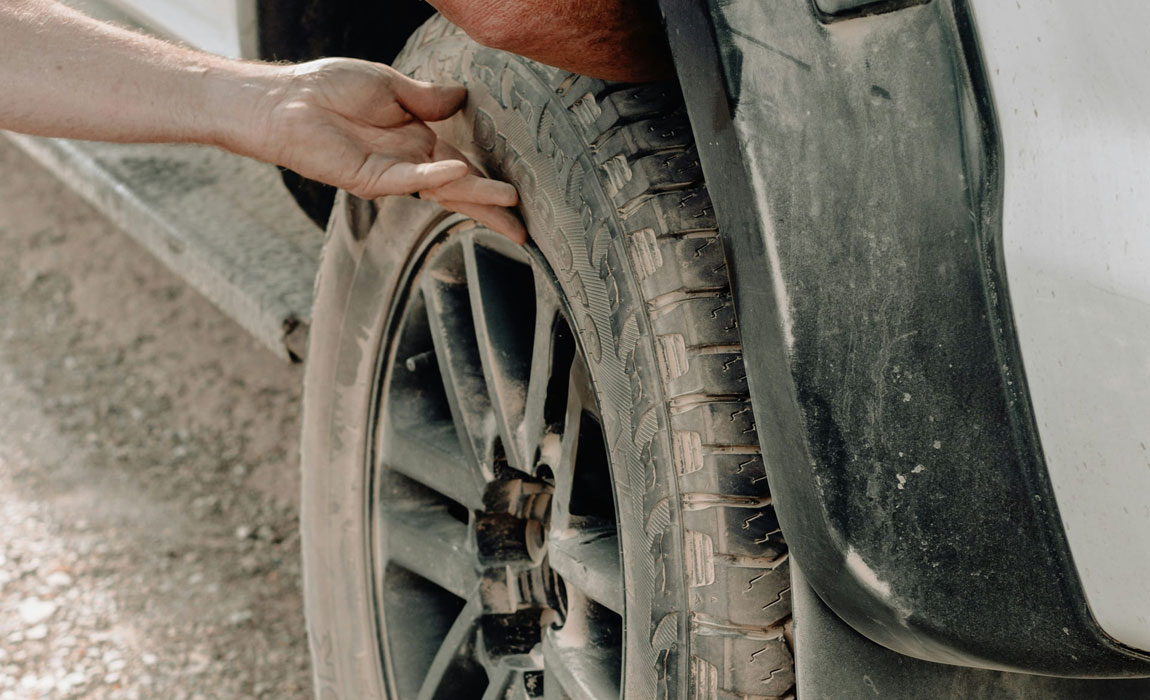
Cupped or scalloped wear patterns on tyre surfaces (feels like small waves when you run your hand over the tread)
-
Faster tyre wear than expected—tyres wearing out at 25,000 km instead of 40,000 km
-
Premature bearing failure causing wheel-end noise
DIY Diagnostic Test
Drive on a smooth, flat road like the Bangalore-Mysore Expressway or Tumkur Highway where road surface isn’t the variable. Accelerate gradually from 40 km/h to 100 km/h while keeping your hands lightly on the steering wheel. Note the exact speed when vibration starts and whether it intensifies with speed—this is classic wheel balance behavior. If vibration appears at 60-70 km/h, peaks around 80-90 km/h, then sometimes reduces slightly above 100 km/h, you almost certainly have balance issues.
Cost to Fix in Bangalore
Budget Garages (Jayanagar, Malleswaram, BTM): ₹500-800 for all four wheels
Branded Chains (Tyre Torque, Apollo, MRF): ₹700-1,200 for computerized balancing with new weights
Dealerships: ₹800-1,500 for premium service
Time Required: 30-45 minutes for all four wheels
Urgency Level: MODERATE
Can you drive? Yes, but limit speeds to under 60 km/h and avoid long highway trips.
Risks of delaying: Accelerated tyre wear (₹2,000-4,000 per tyre lost), premature suspension bearing failure (₹3,000-8,000 repair), reduced fuel efficiency costing ₹500-1,000 monthly.
Fix within: 1-2 weeks maximum; immediate if vibration is severe or affects vehicle control.
Prevention Tips
-
Get wheels balanced every 5,000-8,000 km in Bangalore conditions
-
Always balance immediately after installing new tyres
-
Inspect wheels monthly for missing balancing weights (small metal clips on rim edges)
-
Avoid hitting potholes at speed—this dislodges weights and damages rims
-
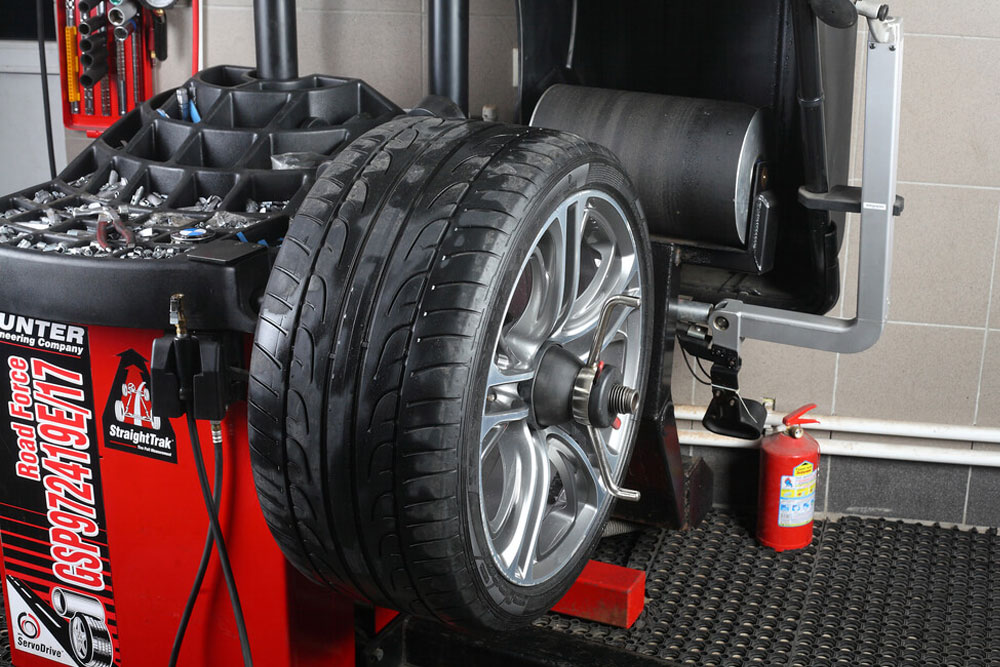
Request computerized balancing over manual methods for accuracy within 5 grams
Cause #2: Wheel Misalignment (25% of Cases)
What It Is
Wheel alignment refers to the angles at which your wheels sit relative to the road and each other—specifically camber, caster, and toe angles. Bangalore’s notorious potholes on Outer Ring Road, Sarjapur Road, and Marathahalli areas knock these angles out of specification constantly. A single severe pothole hit can misalign wheels instantly.
Symptoms You’ll Notice
Primary Signs:
-
Car pulls consistently left or right on flat roads—test on straight sections of Nice Road or Tumkur Highway
-
Steering wheel sits off-center (rotated 10-20 degrees) when driving straight
-
Vibration occurs at all speeds above 40 km/h, not just specific speed ranges
Secondary Signs:
-
Uneven tyre wear on inner or outer edges (camber misalignment) or feathered edge wear (toe misalignment)
-
Car feels unstable or “wandering” in lanes, requiring constant steering corrections
-
Squealing tyres when turning at low speeds
DIY Diagnostic Test
Find a flat, straight road with minimal crown (camber)—empty sections of Old Madras Road or Peripheral Ring Road work well. Drive at 50-60 km/h and briefly release the steering wheel for 2-3 seconds (check mirrors first for safety). A properly aligned car continues straight; misaligned vehicles pull noticeably to one side within 1-2 seconds. Also check if your steering wheel logo sits perfectly upright when driving straight—if rotated, you have toe misalignment.
Cost to Fix in Bangalore
2-Wheel Alignment (Front Only):
-
Local garages: ₹500-800
-
Branded chains: ₹700-1,000
-
Dealerships: ₹1,000-1,500
4-Wheel Alignment (Recommended for Modern Cars):
-
Local garages: ₹800-1,200
-
Branded chains: ₹1,000-1,500
-
Dealerships: ₹1,200-2,500
Time Required: 45-60 minutes with computerized equipment
Urgency Level: MODERATE TO HIGH
Can you drive? Yes, but avoid highway speeds above 80 km/h and limit long trips.
Risks of delaying: Severe uneven tyre wear requiring premature replacement (₹8,000-15,000 for set of four), reduced fuel efficiency by 5-10% (₹800-1,500 monthly for typical drivers), dangerous handling in emergency maneuvers.
Fix within: 1 week if pulling is mild; immediately if pulling is severe or after pothole impact.
Prevention Tips
-
Check alignment every 10,000 km in Bangalore (more frequent than standard 15,000 km due to road conditions)
-
Get alignment checked within 500 km after hitting significant potholes
-
Inspect alignment after curb contact or mounting medians in parking
-
Always align before or immediately after installing new tyres
-
Request computerized 3D alignment over manual methods—accuracy to 0.01 degrees matters
Cause #3: Worn Suspension Components (10% of Cases)
What It Is
Your car’s suspension system—including shock absorbers, struts, control arm bushings, ball joints, and tie rod ends—absorbs road impacts and keeps tyres connected to the road. Bangalore’s constant pothole battering wears these components 30-40% faster than in cities with better roads. When suspension parts wear out, they can’t dampen vibrations or maintain proper tyre contact, causing shaking especially over bumps.
Symptoms You’ll Notice
Primary Signs:
-
Vibration increases dramatically when driving over bumps, speed breakers, or uneven roads
-
Car feels “loose” or floaty, especially in turns or lane changes
-
Vibration at all speeds, not just 60-80 km/h range
Secondary Signs:
-
Clunking or knocking sounds from wheel wells when hitting bumps
-
Excessive body roll when cornering—car leans heavily in turns
-
Nose-dive during braking or squat during acceleration
-
Uneven tyre wear despite recent alignment
DIY Diagnostic Test
Bounce Test: Park on level ground and press down hard on each corner of your car, then release. A healthy suspension should bounce once and settle; if it bounces 2-3 times before settling, shocks/struts are worn.
Visual Inspection: Look under the car for oil leaks on shock absorbers (indicates seal failure). Check rubber bushings at control arm mounting points for cracks or separation.
Drive Test: Drive over a familiar speed breaker at 20 km/h. If the car bounces excessively after crossing or makes clunking sounds, suspension components are worn.
Cost to Fix in Bangalore
Shock Absorber Replacement (Per Pair):
-
Economy brands: ₹3,000-5,000
-
Mid-range (Monroe, Gabriel): ₹5,000-8,000
-
Premium (Bilstein, KYB): ₹8,000-15,000
-
Labor: ₹1,500-3,000
Strut Assembly Replacement (Per Side):
-
Complete assembly: ₹6,000-12,000 per side
-
Labor: ₹2,000-4,000
Control Arm Bushing Replacement:
-
Parts: ₹800-2,000 per side
-
Labor: ₹1,500-3,000
Ball Joint Replacement:
-
Parts: ₹1,000-2,500 per side
-
Labor: ₹1,000-2,000
Time Required: 2-4 hours depending on component
Urgency Level: HIGH
Can you drive? Yes for essential trips only, avoiding highways and high speeds.
Risks of delaying: Complete suspension failure leading to loss of vehicle control, accelerated wear on other suspension components, severe tyre damage, dangerous handling in emergency situations.
Fix within: 3-5 days; immediately if handling feels severely compromised.
Prevention Tips
-
Slow down for speed breakers and potholes—hitting them at 40+ km/h causes instant damage
-
Get suspension inspection every 20,000 km or annually
-
Replace shocks/struts at 60,000-80,000 km as preventive maintenance
-
Maintain proper tyre pressure—underinflation increases suspension stress
-
Avoid overloading vehicle beyond manufacturer’s weight limits
Cause #4: Warped Brake Rotors (3% of Cases)
What It Is
Brake rotors (discs) are the metal discs your brake pads clamp onto to stop your car. They can warp (develop uneven surfaces) from excessive heat—common in Bangalore’s stop-and-go traffic where drivers brake frequently. When warped, rotors cause pulsating vibration that’s distinctly felt when braking.
Symptoms You’ll Notice
Primary Signs:
-
Pulsating or vibrating brake pedal when braking at speeds above 50 km/h
-
Steering wheel shakes specifically when braking, not during constant-speed cruising
-
Vibration severity increases with brake pressure—harder braking = more vibration
Secondary Signs:
-
Squealing or grinding noises when braking
-
Longer stopping distances than normal
-
Brake pedal feels soft or spongy
-
Burning smell after heavy braking (overheated brake components)
DIY Diagnostic Test
Find a safe, empty road and accelerate to 60-70 km/h. Apply brakes progressively from light to moderate pressure. If you feel pulsation through the brake pedal or steering wheel shake only during braking, you have warped rotors. The vibration should disappear immediately when you release the brakes.
Compare this to constant-speed cruising at 70 km/h without braking—if vibration exists only during braking, rotors are the culprit.
Cost to Fix in Bangalore
Brake Rotor Resurfacing (Machining):
-
Per axle (both rotors): ₹800-1,500
-
Only possible if rotors have sufficient thickness remaining
Brake Rotor Replacement:
-
Economy rotors: ₹1,500-3,000 per axle (front or rear)
-
OEM-quality rotors: ₹3,000-6,000 per axle
-
Premium/drilled rotors: ₹6,000-12,000 per axle
-
Labor: ₹1,000-2,000 per axle
Brake Pad Replacement (Usually Done Simultaneously):
-
Economy pads: ₹1,200-2,500 per axle
-
Mid-range pads: ₹2,500-4,500 per axle
-
Premium/ceramic pads: ₹4,500-8,000 per axle
Time Required: 1-2 hours per axle
Urgency Level: HIGH
Can you drive? Yes, but braking distances are compromised—maintain extra following distance.
Risks of delaying: Reduced braking effectiveness creating accident risk, complete rotor failure leading to brake loss, damage to brake calipers (₹5,000-10,000 repair), pad material contamination.
Fix within: 3-5 days; immediately if braking distance has noticeably increased.
Prevention Tips
-
Avoid riding brakes in traffic—use engine braking when possible
-
Don’t brake hard repeatedly on long downhills (Nandi Hills, ghat roads)—downshift instead
-
Allow brakes to cool after heavy use before washing car (thermal shock warps rotors)
-
Replace brake pads at manufacturer intervals (typically every 25,000-40,000 km)
-
Use quality brake fluid and replace every 2 years—contaminated fluid reduces braking performance
Cause #5: Worn Engine Mounts (1% of Cases)
What It Is
Engine mounts are rubber and metal assemblies that secure your engine to the car’s frame while absorbing vibrations. The rubber deteriorates over time from heat, oil contamination, and constant stress, causing the engine to shift position and transmit vibrations directly into the cabin.
Symptoms You’ll Notice
Primary Signs:
-
Vibration felt through floor, pedals, and steering wheel at idle and low speeds (20-40 km/h)
-
Excessive engine movement visible when revving in park—engine rocks noticeably
-
Vibration worsens when accelerating or shifting gears
Secondary Signs:
-
Clunking sound when shifting from Park to Drive or Reverse
-
Increased engine noise in cabin—engine sounds louder than before
-
Visible cracks or separation in rubber portion of mounts when inspected
DIY Diagnostic Test
With engine running in Park, have someone watch the engine while you rev it gently to 2,000 RPM. The engine should move slightly (5-10mm) but return to position smoothly. Excessive movement (20mm+) or engine tilting significantly indicates worn mounts.
Check for vibration at idle while in Drive with foot on brake—worn mounts cause noticeable cabin vibration even when stationary.
Cost to Fix in Bangalore
Engine Mount Replacement:
-
Single mount (economy): ₹1,500-3,000
-
Single mount (OEM quality): ₹3,000-6,000
-
Single mount (hydraulic/premium): ₹6,000-10,000
-
Labor per mount: ₹1,500-3,000
-
Most cars have 3-4 mounts; rarely do you replace just one
Typical Total Cost (All Mounts):
-
Economy replacement: ₹8,000-15,000
-
OEM quality: ₹15,000-25,000
Time Required: 2-4 hours depending on accessibility
Urgency Level: MODERATE
Can you drive? Yes, but vibration causes driver fatigue and discomfort.
Risks of delaying: Engine damage from excessive movement, transmission mount stress, accelerated wear on accessory belts and hoses, potential electrical connector damage from engine shifting.
Fix within: 2-4 weeks; sooner if vibration affects driver comfort significantly.
Prevention Tips
-
Avoid aggressive acceleration and high-RPM driving which stresses mounts
-
Fix oil leaks promptly—oil contamination deteriorates rubber mounts
-
Don’t rest foot on clutch pedal while driving (manual cars)—creates mount stress
-
Replace mounts proactively at 100,000-120,000 km as preventive maintenance
Cause #6: Damaged or Defective Tyres (1% of Cases)
What It Is
Sometimes the tyre itself is damaged—bulges in sidewalls from pothole impacts, internal belt separation, manufacturing defects, or tread chunks missing. These structural issues create constant vibration at all speeds that balancing cannot fix.
Symptoms You’ll Notice
Primary Signs:
-
Vibration at all speeds, even 20-30 km/h (unlike balance issues that start at 60+ km/h)
-
Visible bulge, bubble, or swelling on tyre sidewall
-
Chunks of tread missing or separated from tyre
Secondary Signs:
-
Thumping sound with each wheel rotation—like driving with something stuck in tyre
-
Recent pothole impact preceded vibration onset
-
Vibration from one specific corner of vehicle
DIY Diagnostic Test
Jack up each corner of your car safely and spin each wheel by hand. Watch closely—does the tyre appear round or does it wobble side-to-side or up-and-down? Any visible wobble indicates tyre or rim damage.
Inspect sidewalls carefully for bulges, cracks, or irregular surfaces. Run your hand over entire tread surface feeling for high/low spots, separations, or missing chunks.
Cost to Fix in Bangalore
Single Tyre Replacement:
-
Economy tyres (MRF, Apollo, Ceat): ₹2,500-4,500
-
Mid-range tyres (Bridgestone, Michelin, Continental): ₹4,500-8,000
-
Premium/performance tyres: ₹8,000-15,000
-
Installation & balancing: ₹200-500 per tyre
Note: You often need to replace tyres in pairs (both front or both rear) to maintain handling balance
Time Required: 30 minutes per tyre
Urgency Level: IMMEDIATE
Can you drive? NO if sidewall bulge is present—blowout risk at highway speeds.
Can you drive? YES cautiously under 40 km/h if only minor tread damage and no sidewall issues.
Risks of delaying: Sudden tyre blowout causing loss of vehicle control and potential accident, especially dangerous on highways at 80+ km/h speeds.
Fix within: Same day; do not delay if sidewall damage exists.
Prevention Tips
-
Slow down for potholes—hitting them at 40+ km/h causes sidewall damage
-
Maintain proper tyre pressure—underinflation increases sidewall flex and damage risk
-
Inspect tyres monthly for damage, especially after pothole impacts
-
Replace tyres when they reach 5-6 years old regardless of tread depth—rubber degrades with age
-
Avoid parking against high curbs which stress sidewalls
Cause #7: Bent Driveshaft or CV Joint Damage (<1% of Cases)
What It Is
The driveshaft transfers power from your engine/transmission to the wheels. CV (constant velocity) joints allow this power transfer while wheels move up/down with suspension. Damage to these components—from accidents, severe pothole impacts, or wear—causes vibration during acceleration.
Symptoms You’ll Notice
Primary Signs:
-
Vibration specifically during acceleration, disappearing when coasting
-
Clicking or popping sounds when turning (CV joint damage)
-
Vibration worsens with harder acceleration
Secondary Signs:
-
Grease splattered on wheel well or undercarriage (torn CV boot)
-
Vibration changes with gear changes—more pronounced in certain gears
-
Clunking when shifting from Drive to Reverse or vice versa
DIY Diagnostic Test
In an empty parking lot, turn steering wheel fully left and slowly drive in a tight circle, then repeat turning fully right. Clicking, popping, or clunking sounds indicate CV joint damage.
On a safe road, accelerate moderately from 40-80 km/h—if vibration increases with acceleration but decreases when you lift off the throttle, suspect driveshaft or CV joint issues.
Cost to Fix in Bangalore
CV Joint Replacement:
-
Single CV joint (outer): ₹3,000-6,000
-
Single CV joint (inner): ₹4,000-8,000
-
Complete axle assembly replacement (often more cost-effective): ₹5,000-12,000
-
Labor: ₹2,000-4,000
Driveshaft Replacement (Rare – Mostly RWD/AWD Vehicles):
-
Driveshaft balancing: ₹2,000-4,000
-
Driveshaft replacement: ₹8,000-20,000 depending on vehicle
-
Labor: ₹3,000-6,000
Time Required: 2-4 hours
Urgency Level: HIGH
Can you drive? Yes for essential trips, but avoid aggressive acceleration and high speeds.
Risks of delaying: Complete CV joint separation leading to loss of power to wheels and potential wheel lockup, damage to transmission, stranding on roadside, expensive towing costs.
Fix within: 1 week maximum; sooner if clicking is loud or vibration is severe.
Prevention Tips
-
Replace torn CV boots immediately (₹800-1,500)—prevents dirt/water contamination that damages joints
-
Avoid aggressive cornering with full steering lock and hard acceleration
-
Don’t launch vehicle aggressively from standstill—gradual acceleration extends CV joint life
-
Inspect CV boots during every service for cracks or tears
Quick Diagnosis Flow Chart
Follow this decision tree to identify your most likely cause:
Does vibration occur only when braking?
-
YES → Warped brake rotors (Cause #4)
-
NO → Continue
Does vibration occur during acceleration but not cruising?
-
YES → CV joints or driveshaft (Cause #7)
-
NO → Continue
Does vibration occur at idle or very low speeds (20-30 km/h)?
-
YES → Engine mounts (Cause #5) or damaged tyres (Cause #6)
-
NO → Continue
Does vibration start specifically at 60-80 km/h?
-
YES → Wheel balance (Cause #1) most likely
-
NO → Continue
Does your car pull left or right consistently?
-
YES → Wheel alignment (Cause #2) combined with possible balance issues
-
NO → Continue
Does vibration worsen dramatically over bumps?
-
YES → Worn suspension (Cause #3)
-
NO → Combination of multiple issues—get professional diagnosis
When to DIY vs When to Visit a Workshop
Safe for DIY Diagnosis:
-
Visual tyre inspections for damage
-
Checking for missing balance weights
-
Straight-road pull test for alignment
-
Bounce test for suspension
-
CV joint clicking test
NEVER DIY—Professional Service Required:
-
Wheel balancing (requires computerized equipment)
-
Wheel alignment (requires alignment rack and expertise)
-
Suspension component replacement (safety-critical work)
-
Brake rotor replacement (safety-critical work)
-
Driveshaft/CV joint work (requires specialized tools)
Cost Summary: Complete Fix for All Causes
If you’re experiencing multiple issues simultaneously (common after extended neglect):
Comprehensive Wheel Service Package:
-
4-wheel alignment: ₹1,000-1,500
-
4-wheel balancing: ₹700-1,200
-
Tyre rotation: ₹200-400
-
Visual inspection: Free at most workshops
Package Total: ₹1,800-2,500 (saves ₹500-800 vs individual services)
Moderate Repair Scenario:
-
Alignment + balancing + 2 new tyres: ₹8,000-15,000
Major Repair Scenario:
-
4 new tyres + alignment + balancing + brake rotors + pads: ₹25,000-40,000
Worst-Case Scenario:
-
4 tyres + suspension overhaul + brakes + alignment + balancing: ₹45,000-75,000
Where to Get a Reliable Diagnosis in Bangalore
For Wheel Balance & Alignment Issues (Causes #1, #2)
Tyre Torque – Kasturi Nagar: Computerized 3D alignment, free diagnosis, detailed printout reports
Other Branded Chains: Apollo (Koramangala, HSR), MRF (Whitefield), Bridgestone (Indiranagar)
Cost: ₹0 for diagnosis, ₹1,500-2,500 for complete service package
For Suspension Issues (Cause #3)
Authorized Dealerships: Best for warranty-period vehicles and OEM parts
Multi-Brand Workshops: Bosch Car Service, 3M Auto Care for reliable suspension work
Cost: ₹500-1,000 for comprehensive inspection
For Brake Issues (Cause #4)
Brake Specialists: Dedicated brake service centers for complex brake system work
Dealerships: For vehicles with electronic brake systems or ABS complications
Cost: ₹300-500 for brake inspection including rotor thickness measurement
For Comprehensive Diagnosis (Multiple Suspected Causes)
Mobile Diagnostic Services: GoMechanic, Pitstop offer doorstep computerized diagnosis
Cost: ₹500-1,200 for complete vehicle diagnostic scan
Prevention: The ₹2,000 Annual Investment That Saves ₹15,000
Following this schedule prevents 90% of vibration issues:
Every 5,000 km:
-
Tyre rotation (₹300)
-
Balancing check (₹800 if service needed)
-
Visual inspection (free)
Every 10,000 km:
-
Wheel alignment check (₹1,200 if service needed)
-
Suspension visual inspection (free with alignment)
Every 20,000 km:
-
Brake inspection including rotor thickness measurement (free at most workshops)
-
Suspension component detailed inspection (₹500)
Annual Preventive Cost: ₹2,000-3,000
Avoided Reactive Repair Cost: ₹12,000-18,000 (premature tyres, suspension damage, brake work)
Net Savings: ₹10,000-15,000 annually
Take Action Before It’s Too Late
Vibration isn’t just annoying—it’s your car’s warning system telling you about problems that will cost exponentially more if ignored. That ₹1,200 wheel balance service today prevents ₹8,000 in premature tyre replacement next month. The ₹1,500 alignment check now saves ₹25,000 in suspension repairs next year. Most importantly, addressing vibration issues ensures your family’s safety on Bangalore’s unpredictable roads where vehicle control can mean the difference between near-miss and accident.
Experiencing vibration at 60-80 km/h? Don’t guess—get expert diagnosis at Tyre Torque, Kasturi Nagar. Our computerized diagnostic equipment identifies the exact cause in minutes, not guesswork. We provide transparent explanations, detailed reports showing measurements before and after service, and honest recommendations without unnecessary upselling. Most vibration issues are fixed same-day with our comprehensive wheel service packages starting at ₹1,500. Book your diagnostic appointment today and drive smooth again—because life’s too short for shaky steering wheels.